Risks of Global Warming in an Aging Population: Mechanisms and their Mitigation
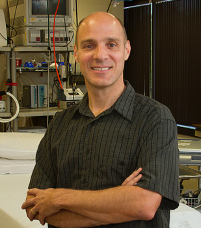
Session Chairperson
Craig Crandall, PhD
Institute for Exercise and Environmental Medicine
University of Texas Southwestern Medical Center
Brief Biodata
Craig Crandall is a Professor of Internal Medicine at the University of Texas Southwestern Medical Center, as well as the Director of the Thermal and Vascular Physiology Laboratory within the Institute of Exercise and Environmental Medicine at Texas Health Presbyterian Hospital Dallas. For over 30 years he has studied thermoregulatory and cardiovascular responses to environmental stressor in populations such as healthy young and older adults, individuals with injuries such as severe burns, and individuals with various diseases/conditions such as congestive heart failure and multiple sclerosis. Over this ~30 year period, he has served as the primary mentor for 29 postdoctoral fellows, most of which are active in physiological research in academic or governmental settings.
Session Overview
Global temperatures and the accompanying frequency, intensity, and duration of heat waves are each predicted to rise in the coming decades. Likewise, the number of older adults are projected to increase at an accelerated pace. Older adults have an unquestionable increased risk of heat-related illness and death, due in part to a reduced ability to dissipate heat. The objectives of this symposium are to address the risks that older individuals experience during extreme heat exposure and to discuss approaches to mitigate those risks.
INVITED SPEAKERS

Sydney Nursing School, and Heat and Health Research Centre
Faculty of Medicine and Health
The University of Sydney
New South Wales, Australila
Brief Biodata
Dr. Chaseling is a senior researcher funded by a NHMRC Investigator Grant. Dr Chaseling leads several projects researching the negative impacts of environmental extremes on adverse cardiovascular outcomes for people with cardiovascular disease and developing sustainable and effective measures to mitigate health issues that are aggravated by climate change. Her research focuses on building community resilience to environmental extremes by integrating scientific, environmental, and clinical data that determine a person’s heat health risk and working to improve and individualize public health guidelines for vulnerable populations.
Title and abstract of the presentation
The cardiovascular challenges of heat exposure in older adults
Hot weather and heat extremes claim lives. Older adults and people with chronic diseases are at a greater risk. However, despite this increased risk, the physiological mechanisms underlying increases in morbidity and mortality with heat are still emerging. Preventative strategies and long-term adaptation plans are essential for mitigating the health challenges posed by hot weather and heat extremes. However, up until now, there has been a scarcity of comprehensive research guiding evidence-based healthcare and recommendations aimed at safeguarding vulnerable individuals. This presentation will briefly discuss the current state of knowledge of the risks posed to older adults and people with chronic diseases during periods of extreme heat.
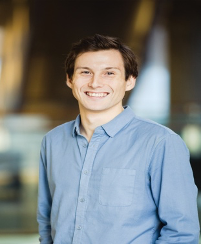
Heat Resilience & Performance Centre
Yong Loo Lin School of Medicine
National University of Singapore, Singapore
Brief Biodata
Dr. Ravanelli is an Assistant Professor and Principal Investigator within the Heat Resilience and Performance Centre, and a founding member of the Global Centre for Heat Adaptation. Dr. Ravanelli’s externally funded research program focuses on examining the physiological and perceptual responses of healthy and vulnerable populations during acute or chronic exposure, both in the lab and in the field. As an expert in heat physiology and biotechnology, he developed HeatSuite, a fully data governed multimodal heat health monitoring system for comprehensively examining the in-situ physiological, perceptual, and personal environmental exposure of free-living individuals which has been deployed in over 300 homes globally.
Title and abstract of the presentation
At home heat-health monitoring to assess heat risk in older adults
Our understanding of heat health responses of healthy and vulnerable populations during extreme heat exposure is largely rooted in laboratory-based evidence, which are typically acute observations (<9h), with static conditions, following a standardized preexamination routine. However, how individuals respond, both physiologically and behaviourally, during naturally occurring extreme heat in free-living conditions remains poorly captured in current lab-based approaches. Moreover, how the response to heat extremes differ across distinct climates has yet to be aggregated. This presentation will highlight key findings from multiple deployments of HeatSuite through the Global Centre for Heat Adaptation to better understand how individuals with different levels of heat vulnerability respond to acute and chronic extreme heat.
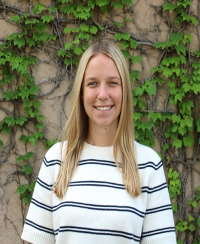
Institute for Exercise and Environmental Medicine
University of Texas Southwestern Medical Center
Brief Biodata
Dr. Cottle is a postdoctoral fellow funded by the American Heart Association. Dr. Cottle’s research focuses on examining thermoregulatory function and health outcomes in vulnerable populations in response to extreme environments. Her current work aims to identify practical and effective cooling mechanisms that can reduce health risks and improve safety for aged adults and clinical populations during extreme heat events.
Title and abstract of the presentation
Mitigating Heat Vulnerability in Older Adults Through Evidence Based Cooling Strategies
Over the past ~20 years, heat waves have been responsible for more deaths than all other natural disasters combined, with older adults experiencing the deletrious health effects at a greater rate than any other age cohort. Indoor cooling with an air conditioner remains the most effective strategy to prevent the deleterious health effects of heat waves. However, increased air conditioning use may exacerbate global warming through the use of fossil fuels and greenhouse gas emissions. Moreover, air conditioning use will increase the risk of power outages during periods of peak electricity demands. Finally, air conditioning is not widely available for large portions of the global population. As such, the identification of low energy (i.e., non-air conditioning dependent) cooling modalities that attenuate the magnitude of the elevation in core temperature, and associated cardiovascular stress, during heat waves is needed. This presentation will highlight current literature investigating low-energy cooling strategies to mitigate heat-related risks in older adults.
Do environmental and individual factors influence the induction of heat adaptations?
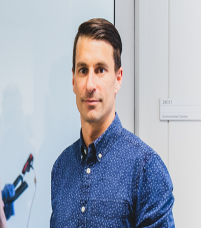
Session Chairperson
Julien Périard, PhD
Research Institute for Sport and Exercise
Faculty of Health, University of Canberra
Brief Biodata
Professor Julien Périard is Director of the University of Canberra Research Institute for Sport and Exercise, where he leads the Environmental Physiology Research Laboratory. His integrative research examines the physiological mechanisms underpinning health and performance during exercise in extreme environments – heat and altitude – and the adaptations resulting from chronic exposure. His work also explores how therapeutic heat exposure and lifelong physical activity can enhance resilience to rising global temperatures. Professor Périard has collaborated with athletes across multiple disciplines, as well as with national and international sporting organisations including the Australian Institute of Sport, FIFA, World Athletics, and World Triathlon. He has authored over 145 peer-reviewed articles and book chapters, including an invited review in Physiological Reviews. Professor Périard serves as Associate Editor for the Journal of Science and Medicine in Sport.
Session Overview
Heat acclimation enhances performance in hot environments and reduces the risk of exertional heat illness. Current guidelines recommend that heat acclimation take place in conditions similar to those athletes and military/occupational personnel anticipate competing or working in. However, evidence supporting the influence of specific environmental conditions inducing distinct adaptations remains limited. Additionally, whether biological sex affects the adaptive response continues to be debated. This plenary session will examine how heat acclimation protocol characteristics influence heat acclimation outcomes and explore potential sex-based differences. Moreover, it will also consider whether the time has come to individualise heat acclimation prescription to optimise adaptive outcomes.
INVITED SPEAKER
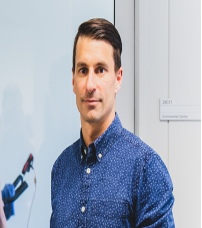
Research Institute for Sport and Exercise
Faculty of Health, University of Canberra
Title and abstract of the presentation
The role of heat acclimation protocol characteristics on the adaptive response
Heat acclimation reduces physiological strain and partly restores heat-mediated decrements in performance under heat stress. The physiological adaptations associated with heat acclimation are generally considered complete after 10 to 14 days of heat exposure. However, several factors influence the kinetics of heat adaptations, including the active or passive nature of the approach, initial acclimation status, frequency, exposure duration, environmental characteristics, and exercise intensity. This presentation will explore the role of specific heat acclimation protocol characteristic—number of exposures, duration per exposure, ambient temperature, and humidity—on the time frame and magnitude of adaptation. It will also highlight a predictive tool recently developed for estimating heat acclimation adaptations, offering quantitative guidance regarding expected outcomes based on the acclimation approach and protocol characteristics.

Centre for Sport Research in the Institute of Physical Activity and Nutrition
Deakin University, Australia
Brief Biodata
Dr Amelia Carr is a Senior Lecturer in Applied Sport Science and Honours Course Director in the School of Exercise and Nutrition Sciences at Deakin University. Amelia is also a Sport Science Advisor for Australian Athletics. Amelia’s research identifies and evaluates nutritional and training interventions that can enhance training adaptations and performance, particularly in extreme environments, and for female athletes. Amelia completed her PhD in Physiology at the Australian Institute of Sport and was a Human Performance Scientist for the Australian Defence Force, prior to her current role at Deakin. Amelia is a Fellow of the European College of Sport Science and Advisory Committee member for the 2026 AIS Women in Sport Conference. She was appointed to the American College of Sports Medicine Olympic and Paralympic Sport Science and Sports Medicine Committee in 2025 and is an Associate Editor for the International Journal of Sport Nutrition and Exercise Metabolism.
Title and abstract of the presentation
Do men and women adapt similarly to heat?
There is ongoing investigation of the thermoregulatory differences between males and females, and sex-based differences in heat adaptation. Despite an increase in the volume of research conducted in females’ adaptation to the heat in recent years, there is still a dearth of research focused on females, with only ~5% of studies investigating female-only cohorts. This presentation will investigate the quantity and impact of heat adaptation literature in females and then present a framework for heat adaptation strategies for females based on a systematic review and meta-analysis of the existing research. Experimental data evaluating different exercise protocols for heat acclimation training will be explored, with additional data presented on heat mitigation strategies, particularly hyperhydration, and observed exercise performance outcomes, thermal and cardiovascular strain in hot conditions. Case studies for males and females exercising in hot weather after completing heat acclimation and acclimatisation training will also be presented.
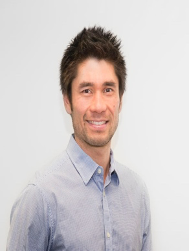
South Australian Sports Institute
Swimming Australia High Performance Unit,
Adelaide University, Australia
Brief Biodata
Dr Jamie Stanley is an elite sports physiologist, researcher, and performance coach who applies innovative science to daily training and competition for world record holders and Olympic, Paralympic, and World Champion athletes. Renowned for driving “next practice,” particularly in training design and the strategic use of environmental stressors, he focuses on creating transformational, sustainable performance impact at both athlete and system levels. Recently, Jamie co-led an Australian Institute of Sport–funded, multi centre research initiative that eschewed convention by prioritizing practitioner consultation, actionable insights over publication, and long term collaboration to ensure lasting influence. With nearly two decades of experience across high performance organizations, Jamie is currently Performance Science Projects Lead at the South Australian Sports Institute and Performance Solutions Manager at Swimming Australia. He holds an adjunct research position at Adelaide University. Previously, was Lead Physiologist for the Australian Cycling Team and was named ESSA Accredited Sport Scientist of the Year (2020).
Title and abstract of the presentation
Are we at the point of individualising heat training?
Human responses and adaptations to heat stress vary substantially, creating a significant challenge for implementing universal heat training protocols across sport, occupational, and military settings. While repeated heat exposures reliably induce beneficial cardiovascular, thermoregulatory, and sudomotor adaptations, the magnitude and time course of these changes differ widely between individuals. Factors such as body size, aerobic fitness, and baseline physiological profiles account for only part of this variability, highlighting the need for more nuanced approaches. This presentation will examine key considerations in heat training design that can provide inherent individualisation by tailoring the heat stress dose through careful manipulation of intensity, duration, and environmental load. Emerging tools capable of forecasting heat acclimation outcomes or guiding training modifications based on anticipated environmental conditions will also be introduced. Finally, the presentation will explore what true individualisation in heat training might look like, outlining both its practical potential and the operational realities that currently limit fully personalised prescription.
How hot do you feel? Novel approaches to study temperature, humidity and comfort perceptions
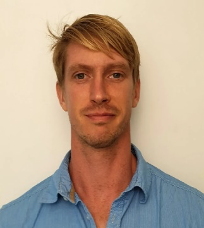
Session Chairperson
Ralph Gordon, PhD
Skin Sensing Research
School of Health Sciences
University of Southampton, United Kingdom
Brief Biodata
Ralph is an active researcher within the fields of thermal physiology, neuromuscular function, tissue viability, and thermomechanical interactions at the skin interface. Ralph’s research aims to investigate complex physiological interactions within these fields on the human body, with application to healthy and clinical populations. Davide is internationally recognized as a leading expert in the neurophysiology of human skin temperature and wetness sensing. He has >10 years of experience in conducting human research in healthy and clinical groups such as multiple sclerosis patients.
Session Overview
Heat and humidity have a profound impact on our health and comfort. Better understanding how our body and skin detect and respond to thermal stress is key to drive innovation in thermal protection and comfort, skin care, and sensing technologies in health and disease. This session will bring together evidence from human physiology, psychology and engineering to present novel approaches to better understand temperature, humidity and comfort perceptions across different climates and with high temporal resolution.
INVITED SPEAKER
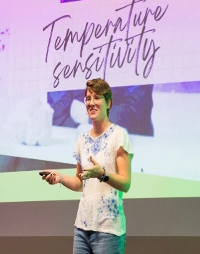
terraXcube (Eurac Research, Italy) & CIMeC (University of Trento, Italy)
Brief Biodata
Laura holds a PhD in Cognitive and Brain Sciences, during which she investigated the interconnections between mind, body, and environment. Currently she is a post-doctoral researcher at terraXcube (Eurac Research) and a visiting researcher at the Center for Mind/Brain Sciences (CIMeC, University of Trento, Italy). Her research focuses on human sensitivity to changes in environmental temperature, using a novel psychophysical approach that combines climate-chamber experiments with the identification of precise sensitivity thresholds across a wide range of temperatures. Her interests also extend to the multisensory nature of thermal perception and to how environmental temperature shapes human perception and behaviour. She is currently extending this line of research by integrating virtual reality technologies, with the aim of recreating increasingly realistic and ecologically valid experimental scenarios to further investigate how closely tuned the system mind–body–environment is.
Title and abstract of the presentation
Exploring Whole-Body Thermal Sensitivity
This talk will present recent findings on whole-body human sensitivity to changes in environmental temperature. Using precisely controlled climate chambers and established psychophysical methods, a series of experimental campaigns identified the minimum environmental temperature differences that humans are able to detect at the whole-body level. The audience will be guided through the methodology developed to investigate whole-body thermal sensitivity within transient environments, highlighting both the novelty and the multidisciplinary nature of the approach, spanning psychology and engineering. Results on sensitivity thresholds across a wide range of environmental temperatures, from 8°C to 38°C, will be presented, together with their possible underlying mechanisms and broader implications. The talk aims to share an approach that shifts the focus of thermal sensitivity research from isolated body parts to the integrated response of the entire body when exposed to the surrounding thermal environment. This shift represents one of the first steps toward bridging two key perspectives in the study of thermal perception: thermal comfort of occupants and human body thermal physiology.

THERMOSENSELAB, Skin Sensing Research Group
School of Health Sciences, University of Southampton
United Kingdom
Brief Biodata
Chenyu is a PhD researcher in thermal physiology, investigating mechanisms underlying skin humidity and wetness perception. She completed a BSc in textile engineering at Soochow University and an MSc in clothing comfort and function at Donghua University. She previously worked on skin airflow sensitivity in ventilation garments under hot and humid conditions and on skin wetness perception during dynamic skin-textile interaction, applying feature analysis to develop perceptual models. Her current research focuses on mechanisms of humidity perception in skin-air interactions within ambient environments and local microclimates, with applications in integrated thermal comfort across wearable systems and building environments. She is also interested in the shared mechanisms underlying wetness perception across interactions with various materials (liquids, solids, soft materials, etc). She aims to develop an integrative mechanistic framework to understand how physiological and perceptual responses emerge during skin interaction with external moisture-related environments to inform future human-centered comfort design.
Title and abstract of the presentation:
Physiological and perceptual responses to changes in absolute and relative humidity
High ambient humidity, particularly when combined with heat, drives thermal discomfort. The perception of ambient humidity can occur via the skin. It is established that skin wetness perception arises from the integration of multiple sensory cues, namely thermal and mechanical changes at the skin, in the absence of a hygroreceptor. However, it remains to be established if the same perceptual mechanisms underlying skin wetness perception apply to the perception of ambient humidity.
This talk will first discuss candidate physiological and perceptual mechanisms that underlie people’s ability to perceive changes in ambient humidity. Second, a recent experimental study in healthy young adults, involving the development of a new methodology to quantify dynamic changes in people’s humidity perception, will be presented. This will provide an example of an approach to understand how ambient temperature, relative and absolute humidity influence the perception of humidity. These findings and novel methodology make it feasible to interrogate whether the same perceptual mechanisms underlying skin wetness perception apply to the perception of ambient humidity, under dynamic environmental conditions. The talk will end with a discussion on how this approach can be used to inform future thermal comfort models that include an evaluation of people’s ambient humidty perception.
School of Architecture Design and Planning
The University of Sydney
Sydney, Australia
Brief Biodata
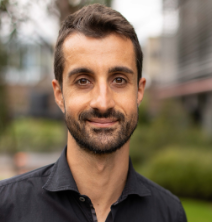
Federico Tartarini is a Horizon Fellow and Senior Lecturer at the University of Sydney, where he leads the “Landscape & Built Environment” theme at the Heat and Health Research Centre. His research sits at the intersection of engineering and human thermophysiology, focusing on occupant-centric solutions for thermal comfort and heat stress mitigation.
He is a strong advocate for open science. He develops and maintains free and accessible tools that translate complex physiological models into simple to use applications. He is the lead developer of a ecosystem of open-source tools, including but not limited to pythermalcomfort, the CBE Thermal Comfort Tool, Cozie, HeatWatch, and the Sports Heat Tool. These collectively serve over 15,000 monthly users. His work bridges the gap between research and practice, having directly influenced policies and standards like the ASHRAE 55 standard or the Sports and Medicine Australia – Extreme Heat Risk and Response Guidelines.
Title and abstract of the presentation:
From Code to Policy: An Open-Source Ecosystem of tools for Thermal Comfort and Heat/Cold Stress Management
To bridge the gap between engineering and physiological research and real-world application, we need tools that are transparent, accessible, and reproducible. This presentation introduces a comprehensive ecosystem of free and open-source technologies designed to democratize access to validated thermal models.
The talk begins by outlining Cozie, a wearable platform that revolutionizes data collection by coupling “right-here-right-now” comfort surveys with real-time physiological monitoring (e.g., heart rate) directly from the wrist. Next, I describe pythermalcomfort: a Python library that standardizes widely used thermal comfort and heat/cold stress models, ensuring reproducibility, accuracy, and ease of use.
Finally, I demonstrate how this code translates into policy-influencing interfaces, including the CBE Thermal Comfort Tool (central to ASHRAE 55 Standard), HeatWatch, and the Sports Heat Tool, recently integrated into Sports Medicine Australia’s extreme heat guidelines. The talk will conclude with a call to action: rather than reinventing algorithms in isolation, we invite the community to collaborate, contribute code, and leverage these open platforms to drive the next generation of evidence-based safety standards.
From heat to health: Protecting workers in a hotter world

Session Chairperson
Zachary Schlader, PhD
Department of Kinesiology,
School of Public Health
Indiana University, Indiana, United States of America
Brief Biodata
Zac is an Associate Professor of Kinesiology in the Indiana University School of Public Health – Bloomington and a Senior Research Advisor to La Isla Network, a non-profit research and advisory organization working to protect workers from heat stress and other environmental exposures. Zac’s research centers on understanding human thermoregulation and the physiological responses to environmental stressors, particularly heat stress and the undersea environment.
Session Overview
Heat acclimation enhances performance in hot environments and reduces the risk of exertional heat illness. Current guidelines recommend that heat acclimation take place in conditions similar to those athletes and military/occupational personnel anticipate competing or working in. However, evidence supporting the influence of specific environmental conditions inducing distinct adaptations remains limited. Additionally, whether biological sex affects the adaptive response continues to be debated. This plenary session will examine how heat acclimation protocol characteristics influence heat acclimation outcomes and explore potential sex-based differences. Moreover, it will also consider whether the time has come to individualise heat acclimation prescription to optimise adaptive outcomes.
INVITED SPEAKER

Department of Kinesiology,
School of Public Health
Indiana University, Indiana
United States of America
Title and abstract of the presentation
Safer Work in a Hot World: Linking Laboratory Insights to Field Solutions
This talk will focus on the risks workers face during extreme heat, some of the physiology (and pathophysiology) of work-related heat stress – focusing on both field- and laboratory- based insights, and how the bidirectional translation of observations between the field and lab have led to practical heat mitigation strategies in the workplace.

Medical School,
University of Cyprus
Cyprus
Brief Biodata
Leonidas is an Assistant Professor of Physiology at the Jožef Stefan Institute (Slovenia), a Visiting Lecturer at the Medical School of the University of Cyprus (Cyprus), and a Senior Researcher at the FAME Lab, University of Thessaly (Greece). His research spans controlled laboratory experiments and real-world field studies, with a focus on protecting vulnerable populations from the adverse effects of heat exposure.
Title and abstract of the presentation
From physiology to policy: Assessing occupational heat stress and productivity in the field
Accurate assessment of occupational heat stress in real-world settings is vital for protecting worker health and quantifying impacts on labor productivity. This presentation will describe field-based approaches that combine environmental monitoring, wearable sensing, physiological measurements, task characterization, and observational study designs to quantify physiological heat strain and productivity loss during occupational work. Examples from agriculture, construction, manufacturing, tourism, transportation and other industrial settings will illustrate how field data reveal meaningful reductions in effective work time under heat stress. These findings have informed the design of controlled laboratory studies and the development of sector-specific heat mitigation guidance. The talk will further highlight how linking physiological strain to productivity outcomes has supported economic impact assessments and contributed to evidence-based policy discussions on occupational heat exposure.
Human Sweating in the Heat: Neural Control, Physiology, and Individual Factors
Session Chairperson
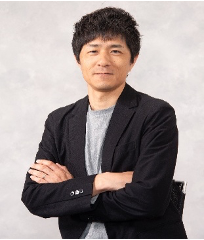
Tatsuro Amano, PhD
Laboratory for Exercise and Environmental Physiology, Faculty of Education
Niigata University, Japan
Naoto Fujii, PhD
Institute of Health and Sport Sciences
University of Tsukuba, Japan
Session Overview
Sweating is a primary avenue for heat dissipation in humans. Therefore, enhancing or suppressing the sweating response can lead to decreases or increases in body temperature, respectively. Understanding this response is essential, as it provides insights into how we can cope with conditions pertaining to extreme hyperthermia, such as heat stroke. In this plenary session, we will discuss the regulation of the sweating response, including ion exchange between intracellular and extracellular spaces and the role of sympathetic nerves. We will also discuss how this response is modulated by factors such as age (from children to older adults), biological sex, and non-thermal factors. This knowledge can be applied to develop individualized and effective heat-mitigation strategies.
INVITED SPEAKER

Naoto Fujii, PhD
Institute of Health and Sport Sciences
University of Tsukuba Japan
Brief Biodata
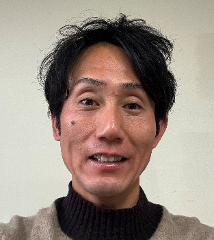
Dr. Naoto Fujii is currently an Associate Professor at the University of Tsukuba, Japan. His research focuses on elucidating the peripheral mechanisms underlying heat loss responses. He has identified several key factors involved in the regulation of these responses, including nitric oxide synthase, cyclooxygenase, potassium channels, and various hormones. More recently, his work has expanded to temperature-sensitive ion channels, particularly transient receptor potential (TRP) channels such as TRPV4, TRPV3, TRPA1, TRPM8, and TRPV1. In addition, Dr. Fujii has been extensively investigating cardiovascular and respiratory control during exercise. Specifically, he has studied hyperthermia-induced hyperventilation in humans, both at rest and during exercise, for more than two decades, publishing numerous significant findings in this area. At the Institute of Health and Sport Sciences, his laboratory attracts many students interested in sports science, where they conduct physiological and nutritional studies related to various athletic activities, including running, swimming, and team sports.
Title and abstract of the presentation
To what extent has our understanding of the mechanisms underlying sweating progressed since Professor Sato’s era?
Kenzo Sato is a Japanese researcher who developed an isolated eccrine sweat gland model and advanced our understanding of the mechanisms underlying human sweating. His work has been widely cited, and many of the mechanisms he described remain valid today. In addition to Dr. Sato’s contributions, other researchers have conducted experiments to clarify the physiological basis of sweating. Since his time, further studies using both animal and human models have expanded our knowledge of sweating mechanisms. However, to what extent has our understanding progressed beyond the foundations established during Dr. Sato’s era? I would like to provide an overview of the mechanisms of sweating and to identify future research directions.

Tatsuro Amano, PhD
Laboratory for Exercise and Environmental Physiology, Faculty of Education
Niigata University Japan
Brief Biodata
Tatsu is a principal investigator in the Laboratory for Exercise and Environmental Physiology (Leep) at Niigata University, Japan. His primary research interest is understanding local mechanisms of human sweating, including adaptive responses to exercise training and heat acclimation. He also focuses on developing non- or minimally invasive drug delivery techniques targeting sweat glands to expand the scope of pharmacological research on human sweating.
Title and abstract of the presentation
Adrenergic mechanisms in human sweating: do they play a role?
Cholinergic pathways are the primary drivers of human sweating, however, human eccrine sweat glands also express adrenergic receptors and respond to pharmacological adrenergic stimulation. Despite this, the physiological role of adrenergic mechanisms in human sweating remains poorly understood. In this talk, I will summarize recent findings from our laboratory examining the contribution of adrenergic receptors to sweating during exercise in both glabrous and non-glabrous skins, including the axilla, a unique region containing both apocrine and eccrine sweat glands. I will also introduce ongoing work investigating whether noradrenergic nerves inhibitors modulate the release of acetylcholine and noradrenaline from sympathetic nerves.

Hidenori Otani, PhD,
Faculty of Health Care Sciences
Himeji Dokkyo University Japan
Brief Biodata
Hidenori Otani is a Professor of Physiology in the Faculty of Health Care Sciences at Himeji Dokkyo University, Japan. He earned his BS and MS degrees in Sport Science from Nippon Sport Science University, followed by a Ph.D. in Medicine (Physiology) from Hyogo Medical University in 2004. From 2010 to 2011, he served as a postdoctoral researcher under the supervision of Prof. Ron Maughan in the School of Sport, Exercise and Health Sciences at Loughborough University, UK. His applied research has primarily focused on thermal physiology, particularly the effects of environmental conditions on human thermoregulation and exercise/work capacity. He has investigated the independent and combined influences of solar radiation, air velocity, and humidity on thermoregulatory responses and endurance capacity during exercise and occupational work in the heat.
Title and abstract of the presentation
Differential effects of humidity, solar radiation, and air velocity on sweating responses and evaporative heat loss during exercise-heat stress
Strenuous physical activities in both athletic and occupational settings are frequently performed under severe heat stress. Under such conditions, endurance capacity is reduced with increasing humidity and solar radiation and decreasing air velocity, all of which elevate thermoregulatory strain. In hot environments, evaporative heat loss through sweating is the primary avenue for heat dissipation, whereas dry heat loss plays a relatively minor role. This talk focuses on the impact of environmental factors—specifically different levels of humidity (24%, 40%, 60%, 80%), solar radiation (0 W/m2, 250 W/m2, 500 W/m2, 800 W/m2), and air velocity (0 km/h, 10 km/h, 20 km/h, 30 km/h)—on sweating responses and evaporative heat loss during exercise at 30°C ambient temperature. Additionally, it will address how these factors influence the maximal evaporative capacity of the environment, required evaporative heat loss, required skin wettedness, and dry heat loss.
Multi‑Sensor Monitoring, Data Integration and AI for Thermal Physiology Research
Session Chairperson
Carl James, PhD
Department of Sports and Health Sciences,
Academy of Wellness and Human Development, Faculty of Arts and Social Sciences,
Hong Kong Baptist University.

Yannis Pitsiladis, PhD
Director, Centre for Exercise Science and Medicine (CESAME)
Department of Biology, Faculty of Science,
Hong Kong Baptist University.
Session Overview
Rapid advances in wearable sensors, real‑time data streams and AI analytics are emerging alongside well‑documented changes in Earth’s climate, transforming how heat strain can be monitored in both community and sporting environments. This plenary session examines the technology and infrastructure required to deploy multi‑sensor monitoring models outside the laboratory, highlighting the opportunities and challenges of collecting high‑quality physiological, environmental and behavioural data in real‑world settings. Speakers will explore how combining multiple technologies can support athlete safety, enhance public‑health surveillance and accelerate the development of personalised risk tools. The session will also address the technical foundations behind these systems, including APIs, data synchronisation, composite metrics and AI decision support. Attendees will gain insights into the skills, methods and interdisciplinary approaches needed to work effectively with multi‑sensor data across diverse locations. The session aims to equip researchers, practitioners and students with a practical toolbox for advancing thermal‑physiology research.
Brief Biodata
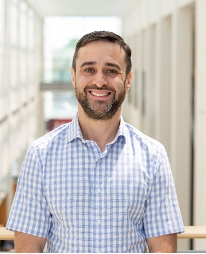
Dr. Carl James is an applied thermal physiologist with over a decade of experience studying human responses to extreme heat within academia and industry. His PhD (awarded 2016) focused on heat strain alleviation during exercise, and he has since supported medal‑winning international sports teams at major events including the Asian and Commonwealth Games. Dr. James has published more than 45 peer‑reviewed papers and several book chapters, with his work featured in prominent media outlets such as the South China Morning Post, BBC, The New York Times, and Scientific American. He is a CASES‑accredited physiologist, supervisor, and reviewer, and serves on the CASES Climate Change and Sustainability Expert Committee. At Hong Kong Baptist University, he manages a $1 million USD research grant with the Hong Kong Sports Institute, implementing bespoke multi‑sensor monitoring within targeted Olympic endurance sports.
Brief biodata
Following 15 years at the University of Glasgow, Scotland, where Yannis created the largest known DNA biobank from world-class athletes and one of the largest DNA biobanks in school-aged children, he was appointed Professor of Sport and Exercise Science at the University of Brighton in late 2013. Over the next 10 years, he successfully established the International Federation of Sports Medicine Collaborating Centre of Sports Medicine (FIMS CCSM) at Brighton and as its founding Director, created a unique centre of excellence as reflected with the exclusive award of the FIMS Reference Laboratory of Sports Medicine for Anti-Doping Research. In 2023, Yannis was recently appointed Professor at Hong Kong Baptist University, Hong Kong, and has setup a new centre of excellence in sport and exercise science and medicine, with a particular focus on using wearable technology and artificial intelligence to support the health and wellbeing of active individuals.
INVITED SPEAKER
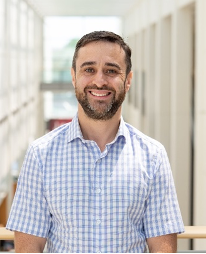
Department of Sports and Health Sciences,
Academy of Wellness and Human Development, Faculty of Arts and Social Sciences,
Hong Kong Baptist University.
Title and abstract of the presentation
Wearables in Sport: Real Time Monitoring for Athlete Safety
This talk will explore how multi‑sensor wearables are being deployed in real‑world sporting competition to quantify heat strain and support athlete safety. Drawing on recent field studies, it will highlight how these technologies are generating novel insights that inform the development and testing of heat‑related safety regulations. The session will explore the efficacy of ubiquitous and emerging thermal‑physiology measurements in the field, and illustrate how multi‑parameter approaches may offer more robust decision support in specific circumstances.The talk will also discuss the practical challenges of deploying monitoring systems at scale, including the logistical demands associated with monitoring more than 60 athletes at a Triathlon World Cup and over 90 runners during the 2025 Hong Kong Marathon.
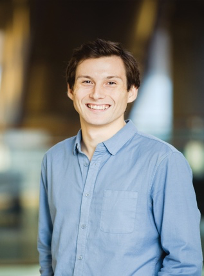
Heat Resilience & Performance Centre
Yong Loo Lin School of Medicine
National University of Singapore
Singapore
Brief Biodata
Dr. Ravanelli is an Assistant Professor and Principal Investigator within the Heat Resilience and Performance Centre, and a founding member of the Global Centre for Heat Adaptation. Dr. Ravanelli’s externally funded research program focuses on examining the physiological and perceptual responses of healthy and vulnerable populations during acute or chronic exposure, both in the lab and in the field. As an expert in heat physiology and biotechnology, he developed HeatSuite, a fully data governed multimodal heat health monitoring system for comprehensively examining the in-situ physiological, perceptual, and personal environmental exposure of free-living individuals which has been deployed in over 300 homes globally.
Title and abstract of the presentation
Wearables in Public Health: Community Scale Heat Monitoring
This presentation will focus on the use of wearable sensors for community‑level heat‑exposure monitoring, drawing on lessons from HeatSuite and its real‑world implementation. It will demonstrate how compliant monitoring can be achieved in everyday settings and among vulnerable populations, while outlining a practical decision framework for selecting appropriate sensors for longitudinal deployments. The talk will introduce the complexities of harmonising data from multiple devices into a unified, fully governed system, highlighting the technical and organisational considerations required to maintain data quality over extended periods. Cost–benefit trade‑offs and scalability will be discussed alongside the challenges and lessons learned from long‑term field deployments, offering a realistic perspective on what it takes to operationalise wearable‑based heat surveillance at population scale.

Director,
Centre for Exercise Science and Medicine (CESAME)
Professor
Department of Biology, Faculty of Science
Hong Kong Baptist University
Title and abstract of the presentation
The Infrastructure Behind Wearables and the Future of Multi‑Sensor Systems
This talk will examine the technical foundations that enable multi‑sensor systems to function reliably in real‑world thermal‑physiology research. It will outline why APIs are essential for integrating physiological and environmental data streams, before describing the challenges of synchronising devices with different sampling rates, communication protocols and data‑handling standards. The session will introduce principles for developing composite physiological‑strain and heat‑risk indexes using multimodal data rather than single‑sensor estimates, and will highlight the importance of communication standards such as Bluetooth, which influence equipment compatibility and can guide laboratory purchasing decisions. The talk will conclude by looking ahead to the next generation of multi‑sensor systems, where validated AI tools will support prediction, anomaly detection and personalised risk profiling across sport, occupational and community settings.
Polar opposites: The broadening field of Cold Physiology

Session Chairperson
Jim Cotter, PhD
School of Physical Education, Sport and Exercise Sciences,
Division of Sciences,
Otago University, New Zealand
Session Overview
The physiological and functional effects of cold stress remain strongly relevant despite us meeting in Borneo, in summer, with several sessions focused on heat stress. Relevant contexts include increasing climatic instability, national and personal insecurity of energy and shelter, and regular whole-body or localised exposure within occupational, recreational, sporting and increasingly also therapeutic realms. This session will provide research updates from across this broad field, including localised effects of cooling on neuromuscular function and force-generating capabilities, effects of whole-body exposure on cold adaptation and cross-adaptation, and effects of health-related effects of thermal contrast exposures.
INVITED SPEAKER
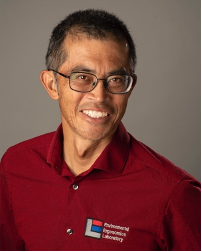
Department of Kinesiology
Brock University, Canada.
Brief Biodata
Stephen Cheung is a Professor and Senior Research Fellow in the Department of Kinesiology at Brock University. He has a wide-ranging interest in all aspects of how environmental stress affects human physiology and performance. Notable studies that he has led include a 24-h Arctic survival simulation to study shivering metabolism and fatigue, the first study to blind participants to hydration status during exercise, and studies into how hyper- and hypothermia affect neuromuscular function. He has collaborated with many partners to make work safer and more productive, including the Canadian Forces, Toronto Fire Service, Canadian Coast Guard, the Canadian Olympic Committee, and multiple clothing and equipment manufacturers. Stephen organized ICEE 2022 in Niagara, Canada, is the author of Advanced Environmental Exercise Physiology, and is the Editor of the International Journal of Sports Physiology & Performance.
Title and abstract of the presentation
Cold and Neuromuscular Function
Exercise capacity is reduced at low ambient temperature, even though most studies feature only transient or mild exposure to cold environments before exercise and increases of metabolic heat production. With actual hypothermia combined with cold environments, endurance capacity is clearly impaired, with reduced tolerance times and maximal aerobic power, along with higher oxygen uptake at submaximal workloads. Altered neuromuscular function is likely a primary contributor to this impairment, with reductions in dynamic and isometric strength, power, jumping and sprinting performance within a functional muscle temperature range of 39°C down to 30°C. This can significantly impact performance and injury risk in both athletic and occupational settings. Cold also impacts population health, with increased likelihood of pre-frailty or frailty – possibly from decreased actual or perceived muscular capacity – in elderly individuals living in colder climates, along with an inverse association with air temperature during winter.
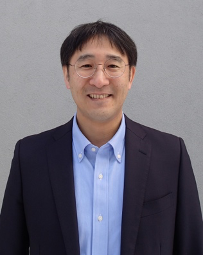
Laboratory of Environmental Ergonomics
Faculty of Engineering
Hokkaido University, Japan
Brief biodata
Hitoshi Wakabayashi is an Associate Professor at Laboratory of Environmental Ergonomics, Faculty of Engineering, Hokkaido University, Japan. For over 20 years he has studied environmental ergonomics and thermal physiology, with a particular interest in human thermoregulatory response, adaptation and physical performance in cold environments. He received his PhD in Health and Sport Sciences from University of Tsukuba. Previously, he was a post-doctoral fellow of the Japan Society for the Promotion of Science (JSPS) at Kyushu University, during which he conducted research abroad at the University of Portsmouth with support from the JSPS Excellent Young Researcher Overseas Visit Program.
Title and abstract of the presentation
Recent Updates in Human Cold Adaptation
Research on cold adaptation (CA) has a long history, based on both population and laboratory studies. Recent advances in human brown adipose tissue (BAT) research have clarified the enhancement of non-shivering thermogenesis (NST), that is, metabolic adaptation. We recently reviewed these updates. In this presentation, we focus on metabolic CA and the influence of nonthermal factors.
A major advance in CA research has been the rediscovery of functional BAT in adults, which enables metabolic acclimation characterized by increased NST replacing shivering. We are currently comparing thermoregulatory responses to mild cold between residents of temperate and subarctic regions of Japan. Subarctic residents show greater NST with lower respiratory exchange ratio and a larger supraclavicular to chest skin temperature gradient, which are surrogate measures of BAT activity.
As a potential confounding factor in CA, cross-adaptation between cold and nonthermal factors, such as exercise habit, should be considered. Several studies have reported that endurance training downregulates BAT activity, whereas, others suggest that vigorous-intensity exercise habit might increase BAT activity. Since exercise training also affects muscle metabolism and resting metabolic rate (RMR), complementary thermogenesis may occur among RMR, NST, and shivering.
The determinants of CA are complex and highly variable. Future research should consider pre-adaptation status, individual adaptive capacity, and interactions between cold and nonthermal factors.

Thermophysiology & Metabolism Research Group (TherMU)
Maastricht University
The Netherlands.
Brief Biodata
Veerle de Haan (MSc) is a PhD student with the Thermophysiology & Metabolism Research Group (TherMU) at Maastricht University. With a background in Medicine and Human Movement Sciences, she brings a broad perspective to thermophysiological and health research. Her PhD focuses on the cardiometabolic effects of combined heat and cold exposure, using infrared sauna bathing and cold-water immersion.
Title and abstract of the presentation
Cardiometabolic effects of cold as a therapy, particularly as contrast therapy.
Abstract: Deliberate, repeated exposure to cold or heat has been used therapeutically for millennia and has been associated with improvements in glucose homeostasis and cardiovascular health in several studies. More recently, contrast therapy (alternating heat and cold exposure) has gained scientific attention due to its increasing popularity. Previous studies, including from our lab, report reduced resting blood pressure and blunted acute heart rate and blood pressure responses following repeated cold exposure, alongside enhanced glucose tolerance and insulin sensitivity. Evidence for contrast therapy, however, is limited and heterogeneous, with no consistent effects on cardiovascular or metabolic outcomes, as shown in our recent systematic review (submitted), emphasising the need for well-controlled intervention studies.
Accordingly, we initiated a single-arm, within-subject eight-week intervention trial to assess whether repeated alternating infrared sauna and cold-water immersion improves glucose homeostasis, cardiometabolic health, and functional outcomes in adults with overweight. This presentation will first outline the cardiometabolic effects of chronic cold exposure before addressing the effects of contrast therapy, and finally provide the preliminary findings from our ongoing study.
The physiology and medicine of humans in space

Igor B. Mekjavic with NASA astronaut Sunita Williams (on the occasion of her becoming a SpaceMed Ambassador) and SpaceMed students.
Department of Automation, Biocybernetics and Robotics
Jozef Stefan Institute & International Postgraduate School Jozef Stefan
Ljubljana, Slovenia
E: igor.mekjavic@ijs.si
Session Overview
To safely voyage to Mars, we need to understand the effects of extreme environments on the human body. This knowledge will be of benefit, not only to the astronauts embarking on future deep space missions, but also to Earth-bound individuals. Research in Space Life Sciences investigates the adaptation of physiological systems to weightlessness (i.e., loss of muscle and bone mass, and cardiovascular deconditioning, etc.) and also focusses on the development of measures to mitigate these adaptations (i.e., exercise and nutritional countermeasures).This session will introduce the concept of the Space Exposome, defined as the totality of all environmental stressors experienced by astronauts during space missions, and how these affect their health and well-being, both in space and upon return to Earth. A review will be provided of space analogs that allow us to study the effects of space-flight stressors in ground-based laboratories, A particular focus will be the experimental bed rest model, which simulates the inactivity and unloading of the weight-bearing limbs as experienced by astronauts, and which allows the study of the adaptation of physiological systems to weightlessness. Mitigation of these adaptations is achieved primarily by exercise countermeasures, and the most recent development is the use of artificial gravity in combination with resistance vibration exercise.
INVITED SPEAKER

Igor B. Mekjavic Ph.D
Department of Automation, Biocybernetics and Roborics
Jozef Stefan Institute & International Postgraduate School Jozef Stefan
Ljubljana, Slovenia
Brief Biodata
Professor Igor B. Mekjavic started his career as a Biomedical Engineer with a particular interest in Underwater Technology (B.Sc. and M.Sc. Salford University, UK). His doctoral studies focussed on the pathophysiology of hypothermia, with an emphasis on the development of a mathematical model of temperature regulation (Ph.D. Simon Fraser University, British Columbia, Canada). After his postdoctoral studies at the Karolinska Institutet (Stockholm, Sweden) he returned to Simon Fraser University, where he continued his research in environmental physiology. In 1994 he moved to Slovenia, establishing a Baromedical Laboratory at the Faculty of Medicine, University of Ljubljana. In 1997 he joined the Jozef Stefan Institute and established a Space Life Sciences programme (2001), initially assessing the adaptation of physiological systems to weightlessness in normoxic and hypoxic environments. In 2022, he established the Gravitational Physiology Laboratory which is accredited by the European Space Agency as a ground-base facility for space physiology and medicine. The current focus of research is the development and evaluation of exercise countermeasures, including artificial gravity for future space missions. Professor Mekjavic is co-founder of ICEE (1986).
Title and abstract of the presentation
Space Exposome
With the current Artemis Space programme, this decade will witness the return of humans to the Moon with the purpose of establishing a permanent presence. This will be followed by the first human interplanetary journey to Mars. These space missions will be a great burden on the astronauts, causing spaceflight-associated adaptation of all physiological systems, which in some cases may be detrimental during the mission, but in most cases could be fatal on return to Earth’s gravity. It is therefore necessary for us, as environmental physiologists and ergonomists to join the ongoing initiative of conducting research and development that will render space travel safe. The aim of the presentation is to present the health challenges posed by the Space Exposome and to review the manner in which environmental stressors will pose health challenges to humans during deep space missions. Results from space missions and Earth (ground-base) space analogs provide insight into the process and magnitude of adaptation of physiological systems to: inactivity, unloading (weightlessness), isolation, confinement, radiation, and extreme environments. The cumulative effect of these factors will lead to stress-induced disease. Countermeasure strategies need to be developed, that will mitigate spaceflight-associated health challenges. Understanding the Space Exposome and developing countermeasures to minimise its effect on humans is essential for future space missions, and will also benefit Earth-bound populations.

Urša Ciuha Ph.D
Department of Automatics, Biocybernetics and Robotics
Jozef Stefan Institute Ljubljana, Slovenia
Brief Biodata
The primary focus of Dr. Urša Ciuha’s research is behavioural temperature regulation, with a particular focus on the effects of nonthermal factors on thermal comfort. She has collaborated with industrial partners in the development of personal protective clothing for extreme environments and also conducts evaluations of protective equipment for extreme environments using thermal sweating and flame manikins, as well as evaluations with human trials in laboratory and field conditions. Dr. Urša Ciuha heads the European Space Agency ground-based facility maintained by the Jozef Stefan Institute in Planica (Slovenia). She has been involved in several bed rest studies for the European Space Agency, the most recent one focusing on the effect of artificial gravity in improving the outcome of resistance vibration exercise.
Title and abstract of the presentation
Space Exposome
This presentation will compare the results of studies conducted at: i) Deutsche Luft- und Raumfahrt Institut (Koeln, Germany), ii) MEDES, Toulouse (France), and iii) Planica (Jozef Stefan Institute, Slovenia) to determine the efficacy of artificial gravity in mitigating loss of muscle mass and cardiovascular deconditioning. Male participants completed a 60-d 6° head down tilt bed rest. In addition to a control group, all studies had two intervenion groups: a) AGBRESA study: participants were exposed daily for 30-min to either passive or intermittent artificial gravity, b) BRACE study: participants conducted cycle ergometry without and with artificial gravity (AG; on a short arm human centrifuge, SAHC), and c) BRAVE study: participants conducted daily resistance vibration exercise (RVE) without and with AG (on a SAHC). Preliminary results indicate that neither passive artificial gravity (AG) nor aerobic exercise in conjunction with AG significantly mitigate the loss of muscle mass, although there is a minor improvement in the cardiovascular deconditioning. Resistance vibration exercise, particularly combined with artificial gravity significantly mitigates changes in muscle function and morphology and cardiovascular deconditioning. Artificial gravity significantly improves the outcome of a daily 30-min resistance vibration exercise training programme in individuals otherwise rendered inactive for 60 days and with their lower limbs unloaded.
Protecting Workers: Occupational Health and Climate Action

Session Chairperson
Rebekah Lucas, PhD
School of Sport, Exercise and Rehabilitation Sciences
University of Birmingham
Brief Biodata
Associate Professor Becky Lucas is an integrative physiologist specializing in environmental medicine. Her research portfolio focuses on the intersection of environmental physiology, global health, and climate science and has informed workplace health practices, with impact across LMICs through collaborations in Central America, Southern Africa, and India.
Session Overview
Climate change is intensifying occupational hazards across industries, with occupational heat stress representing a critical and escalating risk to worker health, safety, and productivity. Workers in outdoor and physically demanding occupations are particularly vulnerable, as are those with limited capacity to adapt work schedules or conditions. Risks are unevenly distributed, disproportionately affecting migrants, informal workers, and women. The International Labour Organization estimates that 2.41 billion workers are exposed to excessive heat annually, contributing to millions of injuries, thousands of deaths, and projected global productivity losses of USD 2.4 trillion by 2030. Protecting worker health is both an economic imperative and a fundamental human right under international and regional frameworks. This session explores the role of workplace interventions in mitigating climate‑related occupational risks and promoting equity.
Invited Speakers

Rebekah Lucas, PhD
School of Sport, Exercise and Rehabilitation Sciences
College of Life and Environmental Sciences
University of Birmingham
Title and abstract of the presentation
Protecting Workers in a Changing Climate
Excessive occupational heat exposure is an increasing threat to worker health, productivity, and livelihoods, intensified by climate change-driven rises in global temperatures and heat waves, particularly affecting agricultural workers. Despite these risks, industry stakeholders often view health and safety regulations as barriers to productivity. The Adelante Initiative is a multi-year, multi-stakeholder intervention using the PREP (Prevention, Resilience, Efficiency, and Protection) framework to reduce heat exposure among manual labourers in industrial sugarcane agriculture. Findings from its cohort study show that an hourly Rest, Shade, and Hydration (RSH) intervention improves worker health and productivity while delivering a positive return on investment. The initiative now informs regional strategies to assess, communicate, and implement effective, sustainable occupational heat stress interventions

Dr Vidhya Venugopal
Professor, Country Director (NIHR GHRC NCD-EC)
(Environmental & Occupational Health)
Department of Environmental Health Engineering,
Faculty of Public Health, Sri Ramachandra Institute of Higher Education & Research (SRIHER),
Chennai, India.
Brief Biodata
Dr.Vidhya is an Occupational Hygienist and climate science scientist working to address health inequities among marginalised and vulnerable worker populations affected by climate change. Her research focuses on heat, workload, and dehydration and their impacts on human health, particularly among informal sector workers, migrant labourers, and pregnant women who are disproportionately exposed to extreme heat and unsafe working conditions. She has led seventeen epidemiological projects on heat stress and health, collaborating with national and international organizations including SIDA, DST, the Swedish Research Council, and the American Red Cross. She currently serve as Country Director for the NIHR– Global Healthcare Research Centre for Non-Communicable Disease and Environmental Change (NIHR GHRC NCD-EC), where she actively co-produce, co-implement, and pilot community-based heat intervention strategies in partnership with workers, communities, and policymakers.
Title and abstract of the presentation
Gendered Dimensions of Occupational Heat Stress in India’s Informal Sector
Heat stress disproportionately affects women in India’s informal workforce due to combined physiological and socio-economic vulnerabilities. This presentation examines how environmental exposure, physiological strain, and women’s behavioural responses such as the “dehydration trap” driven by poor sanitation shape health and productivity outcomes. Findings from field-based research among women highlight increased risks of illness, reduced earnings, and impacts on caregiving. The presentation also considers the need for gender-sensitive heat mitigation strategies and integrated policy approaches to improve resilience among women workers.

Tze Huan Lei, PhD
Hubei Normal University
Brief Biodata
Associate Professor Tze-Huan Lei is a thermoregulatory physiologist specialized in behavioral thermoregulation across different thermal profile (dry versus humid heat). His recent research interest includes daylong humid heat exposure on systemic inflammatory response and organ stressed markers in healthy young office workers. He is now the acting head of exercise physiology research at Hubei Normal University and continue to conduct integrative physiological research with his colleagues across the globe.
Title and abstract of the presentation
Prolonged humid heat exposure on systemic inflammatory response syndrome in young healthy office workers: insight into behavioural responses and cellular signalling pathways.
Humid heat wave events are among the deadliest climate-related hazards and have become increasingly frequent in recent years, with no Asian countries being immune. In particular, countries such as India, Pakistan, and China are projected to experience wet-bulb temperatures approaching 32°C for up to six hours during future extreme heat events. Such conditions pose a substantial threat to human health by severely impairing the body’s ability to dissipate heat.
One of the major health consequences of prolonged humid heat exposure is the development of systemic inflammatory response syndrome (SIRS). SIRS is a critical pathological condition that can progress into multiple organ dysfunction or failure, thereby increasing the risk of heat stroke-related mortality. Consequently, identifying effective strategies to mitigate SIRS is becoming an imperative task for the health care workers worldwide.
The purpose of this presentation is to examine whether two conventional and ecologically valid cooling strategies such as electric fan use and fluid consumption could mitigate the progression of SIRS during prolonged humid heat exposure. In addition, the presentation will highlight the potential cellular signaling pathways underlying their protective effects.
Ultimately, this work aims to facilitate the early detection of SIRS and facilitate the development of evidence-based mitigation strategies to protect occupational workers during prolonged exposure to humid heat.