SYMPOSIUM SESSION:
Thermal Physiology in our Warming World
Session Chairperson

Pearl Min Sze TAN
Research Manager, Human Potential Translational Research Programme
National University of Singapore
Brief Biodata
Pearl Tan is a Research Manager at the Human Potential Translational Research Programme, Yong Loo Lin School of Medicine, National University of Singapore. Her research sits at the intersection of thermal physiology, exercise science and heat stress adaptation. She plays a key role in coordinating translational research efforts that bridge laboratory and field-based findings on human heat resilience with real-world applications for health, productivity and performance in tropical environments.
Symposium Session Description
This joint keynote brings together two complementary perspectives – climate science and policy, and human thermal physiology research to address one of the most pressing challenges of the 21st century: the escalating threat of extreme heat to human health and performance in a rapidly warming world.
Moderated Panel Discussion
The moderated panel discussion will focus on the following topics:
- Integrated Heat-Health Warning Systems – marrying WMO’s forecasting with physiological thresholds to create population-specific, actionable heat warnings.
- Policy Translation – converting science into national heat-health action plans for rapidly urbanising tropical regions.
- Capacity Building – training interdisciplinary scientists who can bridge the climate-health divide; and identifying thermal physiology laboratories worldwide.
- Equity – ensuring strategies prioritise the most vulnerable (outdoor workers, the elderly, low-income communities).
Invited Speakers

Ben CHURCHILL
Director
Regional Office for Asia and the Pacific
World Meteorological Organization
Brief Biodata
Ben Churchill leads WMO activities across Asia and the Pacific and coordinates partnerships to enable improved weather, climate and water services in those regions. Since Ben joined WMO in 2020, he has focused on partnerships and innovation to increase his team’s capacity to better understand and support the 59 WMO Members in Region II (Asia) and Region V (South-West Pacific). Through proactive collaboration with regional counterparts from other United Nations agencies and implementing partners, the Early Warnings for All initiative is well advanced in the 11 priority countries in the two regions.
Presentation
This presentation frames the global heat crisis through WMO’s lens: record-breaking temperatures, more frequent and intense heatwaves, and the Asia-Pacific as a critical hotspot where billions already live near the upper limits of thermal tolerance. Ben will highlight the WMO’s role in the UN Early Warnings for All initiative and how his focus is on delivering better climate, weather, water and environmental services across the Asia Pacific Region to help build more resilient communities and reduce the impact of extreme climate and weather on lives and property, particularly for the most vulnerable. He makes the case that meteorological services must now integrate health considerations – moving beyond temperature forecasts toward heat-health action plans.
Invited Speaker

Jason Kai Wei LEE, PhD
Director
Heat Resilience & Performance Centre
Deputy Chair
Human Potential Translational Research Programme
Chair
WHO-WMO GHHIN Southeast Asia Hub
National University of Singapore
Brief Biodata
Jason Lee is an Associate Professor at the Yong Loo Lin School of Medicine, National University of Singapore. He directs the Heat Resilience & Performance Centre and co-leads the Human Potential Translational Research Programme. He studies the physiological demands associated with passive and exertional heat stress and how humans adapt to ensure optimum performance and survival. Jason was the past chair for the Scientific Committee on Thermal Factors at the International Commission on Occupational Health (2018 to 2024). He currently co-chairs the Heat Injury Clinical Practice Guidelines at the Ministry of Health, Singapore. He is on the management committee at the WHO-WMO Global Heat Health Information Network (GHHIN) and leads the GHHIN Southeast Asia Hub to scale up efforts in managing the complex health risks posed by rising ambient temperatures. Jason serves on the Technology Advisory Panel for Temasek Trust and the Expert Advisory Group for the Rockefeller Foundation.
Presentation
This presentation places thermal physiology at the centre of the global heat crisis, drawing on Jason’s extensive research in human thermoregulation and heat stress in tropical environments. He will present evidence from laboratory and field studies showing how heat stress impairs cognitive function, physical work capacity and decision-making, with direct implications for outdoor workers, military personnel, athletes, and the elderly in tropical cities like Singapore. Jason also will introduce the role of the Global Heat Health Information Network (GHHIN) Southeast Asia Hub – a platform that translates thermal physiology research into actionable guidance for the region’s most heat-vulnerable nations. The Hub serves as a bridge between the laboratory bench and the policy table, ensuring that physiological science informs the decisions that protect lives.
SYMPOSIUM SESSION:
Translational Thermal Physiology: Aligning Laboratory and Field Responses
Session Chairperson
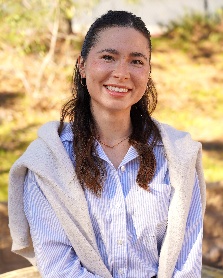
Rebecca Weller, PhD
Naval Health Research Center
San Diego, California, USA
Brief Biodata
Rebecca Weller is a Research Physiologist at the Naval Health Research Center in San Diego, California. Her research is focused on improving warfighter performance, safety, and readiness during exposure to environmental stressors, including heat, cold, and altitude. She recently completed her PhD at Vrije Universiteit Amsterdam under the supervision of Dr. Hein Daanen, where her dissertation examined the mechanisms and individual variability of cold-induced vasodilation.
Symposium Session Description
This symposium will address one of the central challenges in thermal physiology: translating laboratory findings into real-world outcomes. Laboratory studies offer tight experimental control, but do the results truly capture how physiology responds in complex outdoor environments where stressors are more extreme and unpredictable? Conversely, field studies capture operational realities, but often at the expense of control. This session brings together researchers who work across both laboratory and field settings to ask: How well do lab-derived measures translate to athletic, occupational, military, and recreational performance? Are heightened stress and strain in the field driven by more severe environmental conditions (e.g., colder water, greater solar load) or by the added complexity of real-world stressors? Importantly, how can insights gained under controlled conditions be applied to prevent injuries, guide military return-to-duty or athlete return-to-play decisions, and optimize performance outside the lab? What lessons from the field should be brought back into the lab? By comparing evidence across hot, cold, and diving environments, and highlighting work that integrates both approaches, this session reframes the discussion: not just whether lab and field differ, but how they relate, complement one another, and ultimately advance translation of thermal physiology into practice.
Invited Speakers

Michail E. Keramidas PhD
Department of Physical Education and Sport Science,
National and Kapodistrian University of Athens, Greece
Brief Biodata
Michail E. Keramidas is an Assistant Professor of Environmental Exercise Physiology at the Department of Physical Education and Sport Science of the National and Kapodistrian University of Athens (Greece), and a Docent (Associate Professor) of Environmental Physiology at the KTH Royal Institute of Technology (Sweden). Michail’s research is focused on the independent and combined effects of environmental [i.e. high and low: ambient pressure, temperature, and gravitoinertial (G) loads] and behavioral (e.g., exercise, sleep, nutrition) stressors on physiological and cognitive responses in humans, with particular reference on thermoregulatory, cardiovascular, muscular, and vestibular functions.
Title and abstract of the presentation
From the depth of the sea to the immersion tank: examining the impact of inert gas narcosis and hypercapnia on human thermoregulation
Michail E. Keramidas1, Mikael Gennser2, Ola Eiken3, Antonis Elia2
National & Kapodistrian University of Athens1, Athens, Greece;
Karolinska Institute2, Stockholm, Sweden;
Swedish Armed Forces3, Uppsala, Sweden
During diving in cold water, body core temperature is maintained via the seamless recruitment of cold-defence thermoeffectors, viz. peripheral vasoconstriction attenuates heat loss to the surroundings, and shivering and non-shivering processes augment endogenous heat production. Inefficient activation of any of these thermoregulatory mechanisms may result in hypothermia, degrading divers’ physical and cognitive performance, as well as operational effectiveness, and often threatening their survivability. Aside from the low temperatures encountered underwater, divers’ thermal balance may also be compromised via non-thermal pathways, by alterations in the partial pressure of metabolically-active (e.g., carbon dioxide) and/or of inert (e.g., nitrogen) gases inhaled at great depths. The talk will thus discuss laboratory-based evidence on the independent and combined influence of mild hypercapnia and inert-gas narcosis on autonomic and neurocognitive functions to cold stress.

Hein Daanen PhD
Vrije Universiteit, Amsterdam
Brief Biodata
Hein Daanen is professor in Environmental Exercise Physiology at Vrije Universiteit Amsterdam. Focus of his research is on heat and cold strain and adaptation to heat and cold. www.heindaanen.nl provides a detailed CV.
Title and abstract of the presentation
Effectiveness of Upper Back Cooling on Thermoregulation during Cycling in a Climate Chamber vs Field (Mont Ventoux)
Hein Daanen, Talitha van Zuilen, Daan de Best
Elite cyclists often suffer from severe heat strain when climbing mountains in the Tour de France, Vuelta or Giro. Therefore, suppletion of ice packs at the start of the climb under the shirt is considered to reduce heat strain. To evaluate the impact, a lab trial and a field trial were performed. Ten well-trained male cyclists participated in the lab study, which consisted of a familiarization trial and two 20-minute time trials in 30°C and 60% relative humidity (RH). During the field study nine well-trained male cyclists completed two time trials of 14.8 kilometers from Bédoin to Chalet Reynard (Mont Ventoux, France; 25.5 ± 0.8°C; RH 42 ± 2.5%). Nine subjects participated in both studies. In both lab and field study, the cooling system had no significant effects on mean skin and body core temperature, sweat rate and thermal sensation. Only the skin temperature at the neck was lower in the lab study. It is concluded that the cooling system did not reduce thermal strain of well-trained cyclists in either lab or field.
Rebecca Weller, PhD
Naval Health Research Center
San Diego, California, USA
Title and abstract of the presentation
Comparison of the Cold Shock Response Between Laboratory and Field Immersions
Rebecca S. Weller1,2, Patrick Zacher1,2, Michael Sarmiento1,2, Tony Duong1,2, Rebecca J. McClintock1,2, Matthew Peterson1, Douglas M. Jones1
1Naval Health Research Center, San Diego, CA;
2Leidos, Inc., San Diego, CA
The cold shock response (CSR) is likely responsible for numerous cold-water immersion (CWI) deaths. Much of our understanding of CSR is based on studies performed in laboratory settings, which often use less intense environmental parameters than those that are commonly experienced in natural outdoor settings. The purpose of this work was to compare CSR between laboratory and field conditions. Data from 115 military personnel (21 F, 94 M) were collected from research studies using 10-min whole-body CWIs in either laboratory (LAB; n = 56; 10 ± 1°C water, 23°C air) or outdoor (FIELD; n = 59; 2 ± 1°C water, -1 ± 4°C air) settings. The FIELD group demonstrated significantly higher peak heart rate (127 ± 2 bpm) and initial respiratory frequency (46 ± 4 breaths/min) compared to the LAB group (peak heart rate: 117 ± 2 bpm; p < .01; d = 0.54); (respiratory frequency: 30 ± 2 breaths/min; p < .01; d = 1.32). Such findings suggest that CSR magnitude is likely underestimated when assessed in laboratory conditions (due to use of warmer air and water conditions) and may have implications for our understanding of CSR and survivability in outdoor settings that require further investigation.

François Haman PhD
Faculty of Health Sciences, University of Ottawa, Ottawa, Ontario, CANADA
Brief Biodata
François Haman is a leading scientist who bridges laboratory research and real-world applications in human performance and survival. For over 20 years, he has studied how the human body responds to extreme environments, especially cold conditions. His work focuses on how the body uses energy under stress, from harsh weather to changing diets, with the goal of improving performance and health in cold climates. His research impacts groups ranging from First Nations communities in Northern Canada to military personnel operating in frigid conditions. Known for translating complex science into practical field strategies, he collaborates with scientists, medical professionals, and end users while looking ahead to more interdisciplinary solutions to major challenges.
Title and abstract of the presentation
From Laboratory Models to Operational Reality: Closing the Gap Between Predicted and Observed Human Performance
François Haman1, Tommi Ojanen2, Denis Blondin3
1Faculty of Health Sciences, University of Ottawa, Ottawa, Ontario, Canada
2Human Performance Division, Finnish Defence Research Agency, Riihimäki, Finland
3Faculty of Medicine, Université de Sherbrooke, Sherbrooke, Québec, Canada
Translating laboratory cold exposure models to operational environments is constrained by the fact that human thermogenesis is not expressed through a single, stereotyped response, but through multiple interchangeable pathways whose weighting differs markedly between individuals. In controlled cold, whole body heat production can be maintained despite substantial interindividual differences in the contribution of shivering, the specific muscles recruited, the burst shivering rate, and the metabolic substrates supporting shivering, with variability in brown adipose tissue activity explaining part of the dispersion in shivering dependence. Even among morphologically similar participants, muscle recruitment strategies diverge for the same heat production, and distinct continuous versus burst phenotypes vary in intensity and occurrence; these patterns are partly linked to differences in muscle fibre composition. This matters for translation because equivalent thermal outcomes can be sustained with very different metabolic costs: manipulating glycogen availability drives large reciprocal shifts between carbohydrate and lipid oxidation without altering core temperature or whole-body heat production, while protein oxidation may become a substantial contributor when glycogen reserves are low. In the field, these intrinsic phenotypes are further modulated by fluctuating status factors such as energy deficit, carbohydrate store availability, and hypoglycaemia effects on shivering heat production, layered onto operational determinants including nutrition, hydration, sleep loss, and cumulative allostatic load, all of which shift thermal balance, perception, and task performance. Consequently, mission planning and predictive tools should be parameterised to the range of anticipated individual responses rather than mean trajectories.
SYMPOSIUM SESSION:
Building climate change resilience in young children
Session Chairperson

Shawnda Morrison, PhD
Faculty of Sport, University of Ljubljana, Slovenia
Brief Biodata
Dr. Shawnda Morrison (PhD, CSEP-CEP) is a clinical exercise physiologist specialising in extreme environments. Her primary research interests include thermoregulation, countermeasures to exertional heat strain and paediatric exercise science. She received her undergraduate and Master’s training at the University of New Brunswick, Canada, before completing a PhD from the University of Otago, New Zealand, and Postdoctoral Fellowship from the Canadian Space Agency at the University of Waterloo, where she led a series of bedrest studies on location in Toulouse, France. Later, with the European Space Agency and Jozef Stefan Institute, Slovenia, Dr. Morrison investigated the deleterious effects of physical inactivity and confinement in hypoxic bedrest. In addition to her ongoing, collaborative efforts with the SLOfit research team at the Faculty of Sport, University of Ljubljana, she recently completed a two-year research stay with the National University of Singapore, extending her research expertise regarding heat strain in children.
Symposium Session Description
By 2050, almost every child on Earth will be exposed to more frequent and intense high heat events like heatwaves, whether global warming is limited to ~1.7 °C (low-emission scenario), or ~2.4 °C (very high-emission scenario). Already, nearly 20% of children face two times as many ‘extremely hot’ days as their grandparents’ generation. As a result, exposure to extreme heat, which can result in heat stress, has become an increasing concern for global child health and development.
This session will explore how infants and young children are being affected by climate change, specifically in terms of their heat health risk, physiological responses to heat, and how changes in physical activity opportunities may affect the physical fitness and outdoor active play opportunities children encounter within this rapidly changing world.
Invited Speakers

Ms. Eline van de KAMP
Faculty of Behavioral and Movement Sciences,
Vrije Universiteit Amsterdam,
THE NETHERLANDS
Brief Biodata
Eline van de Kamp (MSc) is a researcher at Vrije Universiteit Amsterdam. She has a background in Global Health Research, and currently focuses on how at-risk populations, particularly infants, are affected by rising temperatures in the context of climate change. Her work includes exploring infants’ thermophysiological responses to controlled heat exposure, as well as their ability to acclimatize to heat, with the aim of contributing to more evidence-based guidance to better protect infants in a warming world.
Title and abstract of the presentation
Heat Balance in Infants
Eline van de KAMP1, Amber KLOMP1, Shawnda A. MORRISON2, Hein DAANEN1
1Faculty of Behavioural and Movement Sciences, Vrije Universiteit Amsterdam, The Netherlands
2Faculty of Sport, University of Ljubljana, Slovenia
Infants are particularly vulnerable to heat stress, as reflected by higher heat-related mortality compared with young adults. Their limited capacity for behavioural thermoregulation and complete dependence on the thermal behaviour of parents and caregivers are known to play important roles; however, the contribution of a potential immature physiological thermoregulation has been scarcely investigated. Therefore, a study was conducted in twenty healthy, term-born infants (aged 3–13 months) who underwent two 90-minute exposure trials in controlled environments at 23 °C and 34 °C with 20% relative humidity. Estimated core temperature, local and mean skin temperatures, heart rate, and whole-body sweat rate were measured, and heat balance was calculated. At 34 °C, infants showed higher tympanic/temporal temperature (+0.4 °C, p < 0.001), higher skin temperature (+2.2 °C, p = 0.002), and higher sweat rate (+74.1 g·m⁻²·h⁻¹, p < 0.001) compared with 23 °C. The primary pathway of heat exchange differed between conditions: evaporative heat loss accounted for 28% of total heat loss at 23 °C but increased to 92% at 34 °C. In conclusion, infants were able to maintain thermal balance under hot, dry conditions, primarily through evaporative heat loss, highlighting the importance of adequate hydration during heat exposure.

Clara Sofia HEIL
Thermal Environment Laboratory, Division of Ergonomics and Aerosol Technology,
Lund University, SWEDEN
Brief Biodata
Clara Sofia Heil is a third-year PhD student at Lund University in the Thermal Environment Laboratory, Division of Ergonomics and Aerosol Technology. She holds a Bachelor of Science in Psychology from the Vrije Univesiteit Amsterdam and a Master of Science in Bioentrepreneurship from the Karolinska Institute in Stockholm. In her PhD Clara investigates the impact of heat on pregnant and postpartum women. Together with the HIGH Horizons team, she is developing an early warning system designed to alert pregnant and postpartum women of incoming heat events to support protective behaviours.
Title and abstract of the presentation
Heat Exposure and Infant Health: Insights from the implementation of Heat Early Warning System Mother Heat Alert in South Africa
Clara Sofia HEIL1, Shobna SAWRY2, Celeste MADONDO2, Pascalia MUNYEWENDE2, Jean Le ROUX, Rose LAMOLA2, Sibusiso MKWANANZI2, Günter ALCE1, Koen van der SANDEN3, Susanne FRENNERT1, Chuansi GAO1 and the HIGH Horizon Study Group
1Division of Ergonomics and Aerosol Technology, Department of Design Sciences, Faculty of Engineering, Lund University, Lund, Sweden
2Wits RHI, Faculty of Health Sciences, University of the Witwatersrand, Johannesburg, South Africa
3Netherlands Organisation for Applied Scientific Research (TNO), Soesterberg, The Netherlands
Early Warning Systems (EWS) have the potential to reduce heat-related health risks, yet few are designed for specifically vulnerable populations. Infants are highly susceptible to heat-related strain. The MotherHeat Alert is the first EWS specifically developed for postpartum women and their infants. We conducted a cohort study among 101 postpartum women and their infants (≤1 year) in Tshwane District, South Africa, using interviewer-administered questionnaires over six months. The study assessed maternal knowledge of heat risks on infants, infant heat-related symptoms. At baseline, 77% of participants considered hot weather a serious or very serious threat to infant health, yet 91% reported never having received information on how heat could affect their baby’s health. During hot days, mothers frequently reported signs of infant discomfort, including heat rash (52.8%), sleep disturbances (52.5%), increased crying (47.2%) irritability (40.3%) and less appetite (14.5%). Only 11.2% reported no symptoms. Comparing baseline and endline responses, six heat-protective behaviours showed significant change, including giving water or fruit, seeking shaded or cool areas, adjusting infant clothing, opening windows and other cooling actions. Among participants who received alerts, 88% reported that they adopted protective measures in response to the app. These findings demonstrate that a heat EWS tailored to postpartum women effectively supports caregiving behaviours for infants.

Vanes LL TAY
Human Potential Translational Research Programme,
Yong Loo Lin School of Medicine
National University of Singapore,
SINGAPORE
Brief Biodata
Vanes Tay is a final-year PhD student in the Human Potential Translational Research Programme at the National University of Singapore. She holds a Bachelor of Science in Sport Science and Management from Nanyang Technological University, and previously worked as a sport scientist at the National Youth Sports Institute. Her research focuses on paediatric physical literacy, physical activity, and thermoregulation in pre-pubertal children, especially during exercise.
Title and abstract of the presentation
Physiological and Behavioural Responses of Children to Continuous Exercise in Mild-to-Severe Tropical Heat Stress
Vanes LL TAY1, Shawnda A MORRISON1,2, Michèle RENARD1,9, Pearl MS TAN1, Amanda ZAIN3,4, Li Y LAM5, Stesha LOW1,5, Johan G ERIKSSON1,6,7, Jason KW LEE1,8,9
1Human Potential Translational Research Programme, Yong Loo Lin School of Medicine, National University of Singapore, Singapore
2Faculty of Sport, University of Ljubljana, Slovenia
3Centre for Sustainable Medicine, Yong Loo Lin School of Medicine, National University of Singapore, Singapore
4Department of Paediatrics, Khoo Teck Puat – National University Children’s Medical Institute, National University Hospital, Singapore
5Yong Loo Lin School of Medicine, National University of Singapore, Singapore
6Department of Obstetrics & Gynaecology, Yong Loo Lin School of Medicine, National University of Singapore, Singapore
7Institute for Human Development and Potential, Agency for Science, Technology and Research (A*STAR), Singapore
8Department of Physiology, Yong Loo Lin School of Medicine, National University of Singapore, Singapore
9Heat Resilience & Performance Centre, Yong Loo Lin School of Medicine, National University of Singapore, Singapore
Introduction: Age-related differences in thermoregulation, thermal perception and cognition may place young children at heightened risk when exercising in the heat [1-3]. This concern is amplified as climate change increases the frequency and duration of high heat exposures.
Purpose: To assess the effects of humid heat stress (HS) on physiological responses, thermal perception, and functional performance in children.
Methods: Twenty-three children (8±1years) completed six 1-hour treadmill exercise trials at two intensities (low:32±3%VO2peak; moderate:62±3%VO2peak), across three HS conditions (MILD:26.3±0.3°C; ELEVATED:32.1±0.4°C; SEVERE:35.2±0.4°C WBGT). Trials ended upon volitional exhaustion, age-predicted HRmax attainment, or completion. Heart rate (HR) and perceived thermal sensation were assessed. Musculoskeletal performance (handgrip strength, standing long jump) and decision-making (virtual reality road crossing task), were assessed pre- and post-exercise.
Results: All low-intensity trials were completed except three in SEVERE HS (duration: 47.6±8.6min). At moderate-intensity, 11/23 (MILD; 43.5±8.6min), 3/23 (ELEVATED; 36.9±8.6min), and 1/23 (SEVERE; 27.6±6.3min) completed the full trial. Two participants reached HRmax during moderate-intensity exercise in SEVERE. 89% of children ended early reported high end-point thermal perception (+2:Warm/+3:Hot). Musculoskeletal performance was similar between trials (all p>0.050). Children paid less attention to traffic (mean difference=5.63s; p=0.002) and reported more missed opportunities (mean difference=1.9; p<0.001) post-exercise, independent of HS condition (all p>0.050).
Discussion: Children volitionally terminated exercise in the moderate intensity high HS conditions more, citing increased perceptual heat strain. Although no measurable declines in musculoskeletal performance were observed post-exercise, decrements in road-crossing outcomes, independent of HS, suggest a need for increased vigilance to child decision-making after exercise in high humid heat.
Keywords: Exercise tolerance, musculoskeletal performance, road crossing behaviour, thermoregulation, virtual reality
References:
[1] Assari, S., & Zare, H. (2025). Extreme Heat Exposure is Associated with Lower Learning, General Cognitive Ability, and Memory among US Children. Open journal of neuroscience, 3(1), 10.
[2] Notley, S. R., Akerman, A. P., Meade, R. D., McGarr, G. W., & Kenny, G. P. (2020). Exercise thermoregulation in prepubertal children: a brief methodological review. Medicine and science in sports and exercise, 52(11), 2412.
[3] Vanos, J. K., Herdt, A. J., & Lochbaum, M. R. (2017). Effects of physical activity and shade on the heat balance and thermal perceptions of children in a playground microclimate. Building and Environment, 126, 119-131.
Shawnda A. Morrison, PhD
Faculty of Sport, University of Ljubljana,
SLOVENIA
Title and abstract of the presentation
Ambient environmental conditions and its influence on children’s ability to perform active outdoor play
Shawnda A. MORRISON1, Louise de LANNOY2, Leigh M. VANDERLOO3,4,5, Maeghan E. JAMES5,6, Laerke MYGIND7, Mark TREMBLAY2,6,8, Eun-Young LEE9,10
1Faculty of Sport, University of Ljubljana, Slovenia
2Outdoor Play Canada, Ottawa, Ontario, Canada
3Research & Evaluation, ParticipACTION, Toronto, Canada
4School of Occupational Therapy, Western University, London, Canada
5Children’s Hospital of Eastern Ontario Research Institute, Ottawa, Canada
6School of Epidemiology and Public Health, Faculty of Medicine, University of Ottawa, Ottawa, Canada
7Center for Clinical Research and Prevention, Copenhagen University Hospital – Bispebjerg and Frederiksberg, Frederiksberg, Denmark
8Department of Pediatrics, University of Ottawa, Ottawa, Canada
9School of Kinesiology & Health Studies, Queen’s University, Kingston, Canada
10Department of Sport Industry, Yonsei University, Seoul, South Korea
The UNICEF Convention on the Rights of the Child detail that all children be afforded dignity and equal, inalienable rights grounded in freedom, justice and peace. These rights include development of the child’s personality, talents and mental and physical abilities (article 29a); foster the development of respect for the natural environment (article 29e); ensuring the right to rest and leisure, and to engage in play and recreational activities (article 31(1)). As climate change continues to affect ambient environmental temperatures worldwide, children may not be afforded the same opportunities to engage in play, especially active outdoor play, to the same extent as previous generations. Investigations into physical activity patterns in children have revealed seasonal variability does occur based on outdoor temperature; that children experience higher cardiovascular strain when playing outdoors in the heat; and overall trends in 24-hour movement behaviour of children (of all ages) rarely meet international guidelines for any metric (physical activity, sedentary time, sleep). Recent evidence from the 10-year anniversary Active Outdoor Play Position Statement adds significant insight to the outdoor play-environment-health nexus, determining several key relationships, such that children who play outdoors report less sedentary time, greater connection to nature, and provide a key opportunity to advancing OneHealth policy, research and practice globally.
SYMPOSIUM SESSION:
Bridging Thermal Physiology Research and Military Policy: Challenges and Opportunities
Session Chairperson

Kirsty Waldock, PhD
British Army, Human Performance Innovation Team (EDGE)
Army Headquarters, Andover, United Kingdom
Brief Biodata
Dr Kirsty Waldock is an environmental occupational physiologist with expertise in environmental physiology and human performance optimisation. She holds a PhD from the University of Brighton and has over a decade of applied research experience. Currently a senior physiologist for the Army’s Human Performance Innovation Team (EDGE), she delivers strategies to enhance deployability, reduce injury rates, and improve physical and cognitive performance. Previously, Kirsty led thermal burden mitigation studies for the Army’s annual fitness test, the Role Fitness Test (Soldier), within the Army Health and Performance Research Team. Her work has shaped policy on heat illness prevention, pre-deployment acclimation, and operational readiness through bespoke health and performance programs. Kirsty has presented at international conferences, published in peer-reviewed journals, and consulted for elite sports teams. Accredited by the Chartered Association of Sport and Exercise Sciences, she combines scientific rigor with practical solutions for challenging environments.
Symposium Session Description
Thermal physiology research is critical for understanding how environmental extremes impact soldier performance, safety, and operational effectiveness. Despite decades of scientific progress, translating laboratory findings into actionable military policy remains a significant challenge. Controlled studies often isolate variables to achieve precision, yet real-world military operations involve complex interactions of climate, clothing systems, hydration, workload, and individual variability. This gap complicates the development of universal guidelines for heat stress management, cold-weather survival, and thermal strain mitigation. Furthermore, emerging technologies—such as wearable sensors and predictive models—offer promise but require validation under operational conditions to ensure reliability and compliance. Policy implementation is further constrained by logistical realities, cultural acceptance, and the need for rapid decision-making in dynamic environments. Bridging these divides demands interdisciplinary collaboration between physiologists, commanders, and policymakers to create evidence-based standards that balance scientific rigor with operational practicality. This symposium will explore current research, highlight barriers to policy integration, and propose strategies for translating thermal physiology insights into robust, adaptable military guidelines that safeguard health while sustaining mission capability.
Invited Speakers

Lisa Klous, PhD
Netherlands Organization for Applied Scientific Research (TNO),
Soesterberg, The Netherlands
Brief Biodata
Dr. Lisa Klous is a scientist in the Human Performance Department of the Defence, Safety & Security unit at TNO. She earned her doctorate at the Vrije Universiteit Amsterdam, where her research focused on monitoring sweat volume and composition in athletes. At TNO, she applies her expertise in heat and cold stress to strengthen operational readiness and resilience in defence environments. As a trained military officer, Dr. Klous brings a unique combination of scientific insight and practical operational experience, effectively bridging the gap between research and real‑world applications.
Title and abstract of the presentation
The effect of exercise intensity on the Wind Chill Temperature Index
Military cold weather operations carry significant risk of cold injuries. The Windchill Temperature Index (WCTI) is used as risk indicator, but ignores key military factors including exercise intensity and peripheral thermal responses. This study aims to improve its operational relevance by incorporating aforementioned factors. Eleven participants dressed in cold weather attire, completed three 60-min cold chamber sessions (–10°C, 1.85 m/s wind), each with a different exercise intensity (LOW: standing; MED: walking; HIGH: walking with incline), in randomized order. Skin temperature and heat flux were measured at multiple sites. During the final 10 minutes of cold exposure, cheek temperature was higher in the HIGH condition (14.8±2.1°C, P = 0.012) than in LOW and MED (12.2±1.9°C; 12.7±1.2°C), while cheek heat flux did not differ (LOW: -336.8±64.8 Wm-2, MED: -380.5±135.4 Wm-2, HIGH: -373.5±130.6 Wm-2, P = 0.530). Conversely, finger and toe temperature increased progressively with exercise intensity (finger LOW: 8.53±1.7°C to HIGH: 31.5±1.7°C, P = 0.003; toe LOW: 12.8±2.0°C to HIGH: 31.4±4.8°C, P = 0.003), whereas heat flux showed the opposite (finger LOW: -60.3±25.1 Wm-2 to HIGH: -140.0±28.6 Wm-2, P = 0.001; toe LOW: -93.2±16.1 Wm-2 to HIGH: -173.5±36.6 Wm-2, P < 0.001). Exercise intensity altered thermal responses in the extremities, whereas cheek responses were minimally affected. Incorporating extremity data into the WCTI may therefore improve cold injury risk estimation.

Alexandria Remus, PhD
Heat Resilience & Performance Centre
National University of Singapore, Singapore
Brief Biodata
Dr Remus is a Senior Research Fellow at the Heat Resilience & Performance Centre and the Institute of Digital Medicine at the National University of Singapore. She leads multiple research and translational efforts focused on developing AI-driven, personalised digital health technologies to safeguard human performance in extreme environments and across the lifespan. As a multidisciplinary researcher, she leverages insights from wearable technologies to develop novel solutions that optimise performance and push the boundaries of human potential. Her expertise spans physiological and biomechanical signal processing, algorithm development, and implementation science, enabling innovations to move from the laboratory into operational and clinical practice.
Title and abstract of the presentation
Profiling Thermal Demands of Elite Soldiers in Warm–Humid Environments to Inform the development of Real-Time Heat Strain Monitoring solutions
Elite soldiers routinely train and operate near the limits of thermal tolerance, particularly in warm and humid climates where evaporative heat loss is constrained and performance and safety margins narrow quickly. Under these conditions, intrinsic demands combined with extrinsic constraints impose a substantial thermal burden that increases heat and exertional injury risk, underscoring the need for practical, scalable monitoring solutions. This talk explores how emerging wearable technologies can enable real-time heat strain monitoring at scale. It describes ongoing efforts linking controlled wearable evaluations with field-based profiling of elite soldiers during real military training. Together, these paired efforts reveal how physiological strain and associated risk are shaped by the interaction of real-world stressors, operational factors and individual variability—conditions difficult to reproduce in the laboratory.
Building on these insights, the talk will outline the end-to-end development of a Heat Strain Monitoring system that translates field-derived physiological status into real-time outputs that provide commanders, trainers and medics with objective data to support timely decisions and interventions. Finally, implementation considerations and lessons learned will be discussed, including stakeholder buy-in and workflow integration required to enable adoption and how interdisciplinary collaboration can translate thermal physiology evidence into monitoring capabilities that are trusted and scalable.

Adam Potter, PhD
Thermal and Mountain Medicine Division, US Army Research Institute of Environmental Medicine (USARIEM), Natick, Massachusetts, USA
Brief Biodata
Dr. Adam Potter is a Research Mathematical Physiologist at the U.S. Army Research Institute of Environmental Medicine (USARIEM), specializing in thermal physiology, biophysics, and biomedical modeling. He earned his PhD from Rutgers University with a dissertation focused on modeling individualized thermoregulatory responses to clothing and activity. As a Principal Investigator at USARIEM, he leads research developing predictive models and biophysical testing methods to enhance health and performance in environmental extremes. His work has produced over 150 publications and has been instrumental in creating usable tools and decision aids like the Heat Strain Decision Aid (HSDA). This research has directly influenced military policy and operational guidance for heat stress management, cold weather operations, and protective equipment, including work for Ebola responders and Explosive Ordnance Disposal (EOD) operators.
Title and abstract of the presentation
Predictive Thermal Modeling: Translating Biophysics into Individualized Operational Guidance
Predicting human physiological responses to thermal stress is critical for mitigating injury and optimizing performance in military and occupational settings. This presentation explores the evolution and application of mathematical models, which integrate complex factors (i.e., environmental conditions, clothing biophysics, and individual metabolic activity) to forecast core body temperature and other physiological strain indicators. We will review foundational models and discuss the development of advanced, individualized and group-based decision aids (e.g., Heat Strain Decision Aid (HSDA), Cold Weather Ensemble Decision Aid (CoWEDA)). Drawing on research from laboratory and field studies, and manikin testing, this talk highlights how models provide quantitative, evidence-based guidance for mission planning. Beyond protecting friendly forces, these models offer significant tactical advantages by allowing us to forecast physiological strain and degradation of adversaries. For example, modeling the estimated clothing insulation, metabolic activity, and environmental exposure of Russian soldiers in Ukraine, we can predict their susceptibility to cold injuries, estimate operational endurance, and identify tactical windows where performance is likely compromised. Further case studies, from assessing the thermal burden of Ebola personal protective equipment (PPE) to creating safe work-time standards for EOD operators, will demonstrate practical impacts of translating biophysical data into actionable safety and performance guidelines.
Kirsty Waldock, PhD
British Army, Human Performance Innovation Team (EDGE)
Army Headquarters, Andover, United Kingdom
Title and abstract of the presentation
Environmental Extremes and Military Operational Readiness: Modernising Climatic Injury Policy
A combination of factors is increasing Service Personnel’s (SP) risk of climatic injuries. Rising temperatures mean UK peaks now exceed 40°C, while many overseas deployments routinely have environmental conditions >40°C, presenting significant heat stress and reducing safe training windows, impacting operational readiness. Concurrently, more SP are contributing to operations in the High North and Eastern flank, increasing extreme cold exposure. The consequences of climatic injuries, range from loss of workdays to mortality.
Climatic injury prevention policies face operational constraints. Preparation for thermal extremes is hindered by fragmented training schedules, leave, and the constant inflow of SP onto operations, impacting the effectiveness of acclimation and acclimatisation and elevating heat illness risk. Policy should evolve to provide structured acclimation programmes with protected implementation time, ensuring readiness before deployment.
The priority for cold injuries is prevention through education, leadership and behaviour change. When peripheral cold injuries occur, focus should be rapid, safe return to duty. Presently, field based assessments depend on suitable cold conditions, causing delays. Future approaches should include laboratory based assessments to standardise evaluation, accelerate recovery, and sustain operational capability. This presentation outlines challenges to the current policies and explores possible evidence based solutions to optimise performance and safeguard SP in extreme environmental conditions.
SYMPOSIUM SESSION:
Advancing Human Thermal Comfort in Indoor and Vehicle Environments
Session Chairperson

Jung Kyung Kim, PhD
School of Mechanical Engineering
Kookmin University, Seoul, South Korea
Brief Biodata
Dr. Jung Kyung Kim has been directing the Biomedical Device Lab and currently serves as a tenured professor in the School of Mechanical Engineering after joining Kookmin University in Seoul, South Korea, in 2006. He led a Korean government-sponsored project, the “Basic Research Lab for Human Interactive Thermal Management of Future Mobility,” as principal investigator from June 2022, and continues to participate as a co-investigator in the “Basic Research Lab for Optimal Control of Human-Interactive Integrated Thermal Management in xEV (PI: Dr. Hyunjin Lee)” starting in June 2025. Dr. Kim received his B.Sc. degree in Mechanical Engineering in 1996, followed by his M.S. and Ph.D. degrees in Biomedical Engineering from Seoul National University in 1998 and 2003, respectively. From July 2004 to August 2006, he was a postdoctoral fellow in the Departments of Medicine and Physiology at the University of California, San Francisco, USA.
Symposium Session Description
This symposium brings together leading researchers to discuss recent advances in understanding, modeling, and predicting human thermal comfort in both indoor spaces and vehicle cabins. Invited speakers will present state-of-the-art approaches that integrate thermo-physiology and thermo-psychology, highlighting how human thermal perception, adaptation, and subjective comfort can be quantified and predicted under non-uniform, transient, and personalized thermal conditions. The symposium will cover emerging experimental methods, physiological sensing, data-driven and physics-based models, and their applications to occupant-centric climate control strategies for buildings and vehicles. By bridging fundamental human science with practical engineering solutions, this symposium aims to promote next-generation thermal comfort research that enhances energy efficiency, health, and occupant well-being.
Invited Speakers

Dolaana Khovalyg, PhD
École Polytechnique Fédérale de Lausanne (EPFL)
Brief Biodata
Dr. Dolaana Khovalyg is the founding head of the Laboratory of Integrated Comfort Engineering (ICE). With expertise in thermal engineering and thermodynamics, she bridges energy engineering, building physics, and human thermo-physiology to advance human-centric indoor environments. Her research tackles the challenge of predicting and optimizing thermal comfort under non-uniform, transient, and personalized conditions. She combines human-subject experiments, physiological sensing, and thermo-psychological assessment with physics-based and data-driven models to understand how people perceive, adapt to, and interact with thermal environments. Her work challenges the traditional “one-size-fits-all” approach to climate control, promoting occupant-centric strategies that enhance comfort, well-being, and energy efficiency. Her studies span fundamental investigations of short- and long-term human thermal adaptation beyond neutral conditions, as well as the practical implementation of occupant-centric climate control. Dr. Khovalyg leads international collaborative research within IEA EBC Annex 87 and contributes to IEA EBC Annex 95, advancing global efforts in personalized environmental control and human-centric building design.
Title and abstract of the presentation
Data-Efficient Modeling of Personalized Local Thermal Sensation: Comparing Physiology-and Physics-Based Inputs
Indoor environments are thermally non-uniform and heterogeneous, exposing different body regions to distinct local conditions. Predicting localized thermal sensation (TS) in such settings requires models that capture regional and individual variability, rather than relying on whole-body or population-averaged approaches. This study examines how to optimally design data-driven models for personalized, localized TS prediction, focusing on model structure, data efficiency, and input types. A central objective is to evaluate local skin heat flux, a rarely measured parameter in comfort research, against the conventional physiological predictor skin temperature. Data were collected from 30 healthy, non-obese adults in two experiments conducted in different environments. Local TS votes were recorded alongside skin temperature and heat flux at up to 16 body regions, along with energy expenditure. Multiple modeling strategies were compared, including unified versus body-part-specific models and inclusion of 9 personal physiological and anthropometric features. Performance was evaluated using 5-fold nested cross-validation and validation on an independent dataset. Body-part-specific models with personal features reduced mean absolute error (MAE) by up to 0.25 scale units, despite using 1/16 of the training data. Across most regions, skin temperature and heat flux showed similar accuracy (MAE 0.3–0.6). However, heat flux models achieved lower error on independent data for the hand (0.36 vs. 0.49), indicating stronger robustness. Results show that model structure strongly influences performance, and that structured personalization enables data-efficient modeling. Heat flux emerges as a robust input for generalized local TS prediction, supporting broader adoption in personalized comfort research.
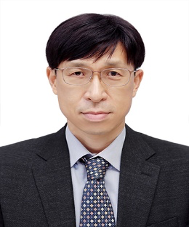
Hyunjin Lee, PhD
Kookmin University
Seoul, Republic of Korea
Brief Biodata
Dr. Hyunjin Lee received his B.S. and M.S. degrees in Mechanical Engineering from Seoul National University in 2000 and 2002, respectively. He earned his Ph.D. in Mechanical Engineering from the Georgia Institute of Technology in 2006. Following his doctoral studies, he worked at Samsung Corning Precision Glass Co. before joining the Korea Institute of Energy Research (KIER) in 2009. At KIER, he was actively involved in the development of solar thermal and concentrating solar power technologies. Since 2015, he has been a faculty member in the School of Mechanical Engineering at Kookmin University. His research focuses on solar energy systems, mobility thermal management, and human-interactive HVAC technologies.
Title and abstract of the presentation
Development of a Thermal Comfort Model for Automotive Cabins under Cold Conditions with Radiant Heating
Cold-start conditions in automotive cabins expose occupants to transient and spatially non-uniform thermal environments that are not well addressed by conventional thermal comfort models. Localized radiant heating is increasingly used to improve occupant comfort while reducing the energy demand of cabin air heating systems [1]. However, most existing comfort models are formulated for steady or quasi-uniform conditions and do not adequately represent thermal perception during cold transitions with localized radiant heat sources. This study aims to develop a thermal comfort modeling approach for cold automotive cabins with radiant heating, focusing on transient and non-uniform responses. A thermal comfort model was developed by extending a validated thermophysiological framework and modifying the Berkeley local thermal sensation model [2]. Predicted local skin temperatures were used to represent segment-level radiant exposure and time-dependent responses during cold-start conditions. Model performance was evaluated using experimental data from human subject tests conducted in a vehicle cabin under cold outdoor conditions, with and without localized radiant heating. The proposed model captured key transient characteristics of thermal sensation under localized radiant heating that are not represented by conventional comfort models. Improved agreement with measured segment-level sensation trends was observed during cold-start phases, along with more consistent representation of comfort responses in non-uniform cabin environments. These findings show that accounting for transient, segment-level physiological responses is essential for modeling thermal comfort in cold vehicle cabins with radiant heating. The proposed approach provides a basis for evaluating radiant heating strategies and supports the development of energy-efficient, human-centered thermal control systems.

Mark Hepokoski, PhD
ThermoAnalytics, Inc.
MI, USA
Brief Biodata
Dr. Mark Hepokoski is the Chief Scientist for Physiology & Thermal Comfort at ThermoAnalytics where he has garnered over two decades of experience in various research, development, and administrative roles, including those of Chief Technology Officer and Product Management Director. He has personally developed many algorithms within the TAITherm™ family of commercial CAE tools, including a complex model of the human body now widely used in the automotive industry for developing comfort-focused climate control technology. His doctoral research was centered on applying machine-learning to thermal simulation and test data, which he has drawn from to develop state-of-the-art testing and simulation methods for thermo-physiology and comfort applications. Dr. Hepokoski received his B.S. in Engineering Science and Mechanics from Virginia Tech. He also holds M.S. and Ph.D. degrees in Mechanical Engineering from Michigan Technological University.
Title and abstract of the presentation
Development of high spatial resolution thermo-physiology models to more accurately predict temperature distribution within body segments
Traditional human thermal models treat the body as a series of concentric cylinders and spheres to simulate transients and asymmetries. Previous work has indicated that such segmental models may be insufficiently resolved to reproduce realistic temperature distribution within body segments. As increased fidelity in local skin temperature prediction contributes to improved accuracy in sensation and comfort prediction, there is therefore motivation to develop models based on highly resolved anatomical data sets for localized heating and cooling applications within building and vehicle environments. An automated process was developed to derive detailed models for import into thermal simulation software. The source in this study was a voxel model of an adult male derived from medical imagery (ICRP publication 110), which cannot be used directly within CAE tools. Resolution varied from 430K to 22M tetrahedral elements to assess model conversion fidelity. A resolution of 3M elements sufficiently reproduced target tissue proportions, the largest discrepancies being in the fat and muscle with volume differences of 2.1% and 1.3%, respectively. Thermoneutral conditions resulted in a mean skin temperature of 34.2 ˚C and hypothalamus temperature of 37.0 ˚C. Local temperatures from the high-resolution model were compared to those obtained from an equivalent low-resolution segmental model to identify deficiencies in the cylinder/sphere body segment approximation. Future work will consider females and other anthropometries.
SYMPOSIUM SESSION:
Responses to thermal environments: a focus on females
Session Chairperson

Toby Mündel, PhD
Brock University Canada
Brief Biodata
Toby Mündel is Professor and Canada Research Chair in the Department of Kinesiology at Brock University. His primary research concerns the regulation of body temperature and water content, often during exercise and accompanying heat stress or dehydration. For more than a decade his focus has been on females and is proud to say that more than half of his research trainees are not male!
Symposium Session Description
The world is faced with greater unpredictability in, and extremes of, weather. Cold and hot ambient temperatures are predicted to become more frequent, intense, and longer in duration. Whilst females make up approximately half the global population, our knowledge base concerning thermal responses of this group remains embarrassingly poor compared to males. Research on and by females needs to improve drastically, with the objective of this symposium to highlight research in this field and by this underrepresented and underserved group.
Invited Speakers

Jessica Mee, PhD
University of Worcester, United Kingdom.
Brief Biodata
Jessica Mee is a UKRI Future Leaders Fellow and heat physiologist whose research explores thermoregulation and heat stress in adults, with a focus on sex differences and the influence of hormonal variation. Her work combines laboratory studies with applied research on public awareness, occupational challenges, and education to reduce heat-related health risks. Broadly, she investigates climate-related health, spanning both adaptation and management strategies, aiming to translate physiological insights into practical guidance. By bridging fundamental human physiology with public health and environmental challenges, Jessica contributes to developing evidence-informed approaches for managing heat exposure and supporting heat resilience.
Title and abstract of the presentation
Understanding and Supporting Women in Heatwaves: Awareness, Physiology, and Research Priorities
This talk will present insights from a UK-based programme of surveys and focus groups exploring public awareness of heatwaves, occupational challenges during extreme heat, and the role of education in supporting effective heat–health responses. The presentation adopts a female-focused perspective, considering pregnancy, menopause, clinical populations, and healthy adults. It examines how thermoregulatory demands are understood and managed across different life stages and occupational contexts. The session will highlight limited awareness of the physiological and health impacts of heat exposure, and how current heat–health guidance may insufficiently reflect female biology. These gaps raise important questions about the evidence that underpins existing advice and interventions. In response, the symposium will examine methodological limitations in thermal physiology research. Women remain underrepresented, and hormonal status is often inconsistently classified, controlled, or reported. Ovarian hormones can influence thermoregulatory responses, meaning these gaps may affect interpretation, comparability, and translation to applied settings. The symposium will argue that more effective heat–health education and occupational guidance would benefit from a stronger, sex-informed evidence base. It will conclude by emphasising the need for high-quality research that rigorously accounts for female biology, alongside targeted interventions, to support inclusive and effective heat adaptation in daily life and work.

Hannah Pallubinksy, PhD
Maastricht University, The Netherlands.
Brief Biodata
Dr. Hannah Pallubinsky is an Assistant Professor and leader of the Thermophysiology & Metabolism Research Group (TherMU) at Maastricht University (NL). Her work explores how the physical environment – particularly temperature, humidity, and air quality – affects human physiology, cognition, health, and well-being. Dr. Pallubinsky and the TherMU research group investigate how climate change and extreme weather events impact health, with a particular focus on protecting vulnerable populations and strengthening human thermal resilience. Their research also examines the therapeutic potential of heat and cold exposure to improve cardiometabolic health. Dr. Pallubinsky’s work has direct applications in the built environment sector, aiming to enhance the health-promoting character and sustainability of living and working spaces.
Title and abstract of the presentation
Sex differences in human thermal perception and physiology – current evidence and open questions
Indoor climate standards have historically been developed using predominantly male study populations, despite existing evidence that thermal perception and physiological responses differ between women and men. This presentation synthesises current evidence on sex differences in thermal responses, based on a systematic review and meta-analysis of experimental studies assessing both physiological and subjective outcomes across thermal conditions. The findings indicate that, particularly in cooler environments, women report colder thermal sensations and exhibit lower mean skin temperatures than men, even when core body temperature is similar or higher. While these differences are often attributed to body composition, peripheral heat loss, and hormonal influences, the available literature provides remarkably little empirical data on how thermal responses change across different stages of the female life course. Evidence relating to pregnancy, menopause, and other hormonally distinct phases remains scarce, fragmented, or entirely absent from controlled thermal comfort research. This lack of data represents a critical knowledge gap, limiting our ability to design living and working spaces that are comfortable, healthy, and equitable for all. The presentation will highlight the need for future research explicitly targeting female life-stage variability and discuss how incorporating these dynamics could inform more inclusive thermal comfort standards and health-promoting built environments.

Nicole Vargas, PhD,
Australian National University, Australia
Brief Biodata
Nicole is an emerging leader in integrative and environmental exercise physiology, whose research portfolio spans behavioural thermoregulation, applied cooling and heat mitigation strategies. Her work bridges mechanistic human-physiology experiments (e.g., on thermal perception and cool-seeking behaviour during passive and exertional heat stress) while exploring real-world challenges of extreme heat exposure, vulnerability and adaptation. Originally trained through post-doctoral tenures at the University at Buffalo and the University of Sydney, she now leads interdisciplinary projects that inform health policy and climate-resilience decision-making.
Title and abstract of the presentation
Cool-seeking behaviour in females – current understanding and future perspectives
Cool-seeking behaviour is often our first defence against increased heat stress, modifying pacing, work output, and heat risk exposure. Identifying sex-related differences in cool-seeking behaviour is essential for developing inclusive heat stress guidelines, optimising performance in sport and occupational settings and clothing design. Our early data has shown that females initiate cooling at lower levels of physiological strain than males during exercise in moderate environments. This behaviour may be protective rather than maladaptive; however, when heat guidelines and performance models are based predominantly on male data, these responses can be misinterpreted as reduced heat tolerance. Contemporary models of behavioural thermoregulation during environmental and exertional heat stress propose that cool-seeking behaviour emerges from the integration of physiological signals and perceptions of thermal discomfort, but sex-related differences remain understudied. This presentation will first outline the behavioural model underpinning our research focusing on sex-differences in cool-seeking behaviour in moderate environments. Next, we will explore recent experimental data examining whether females engage in cool-seeking behaviour different to males in warm environments. Finally, this presentation will highlight key directions for future research, including novel ways to look at relationships between perception, physiology and cool-seeking behaviour, and the importance of translating of these findings to real-world settings to provide sex-specific advice for sports, occupational and public health guidelines.